Профессиональный маркетолог, находящий ясность в разработке идей для социальных сетей

Работа Belva Anandya Inazya как специалиста по соцмедиа и key opinion leader редко начинается с публикации контента. Всё начинается гораздо раньше, когда всё ещё абстрактно. Обычно бренд приходит к ней с общей целью: повысить узнаваемость, изменить позиционирование или запустить что-то новое. Затем ей нужно перевести это направление в контент-пиллары, конкретные идеи, форматы, подписи и, наконец, в реализацию на разных платформах.
Именно на этом раннем этапе происходит большая часть мышления, и именно здесь всё может стать неясным.
Когда генерацию идей становится трудно контролировать
Работа в social media часто выглядит простой на поверхности, но мышление за ней фрагментировано. До Xmind идеи Belva были разбросаны по разным местам. Часть жила в приложениях для заметок, другие — в случайных документах или таблицах, а иногда и в сообщениях WhatsApp, которые она отправляла себе среди дня.
Что делало этот этап сложным:
Идеи сохранялись в разных инструментах и местах
Несколько брендов требовали переключаться между тоном, аудиторией и целями
Линейные форматы мешали увидеть, как идеи связаны между собой
Работа с несколькими брендами делала эту фрагментацию ещё заметнее. У каждого бренда был свой тон, аудитория и цель. Когда Belva пыталась генерировать идеи в линейных форматах, например в списках или документах, она часто чувствовала, что застревает. Было трудно увидеть общую картину. Иногда она слишком долго дорабатывала одну идею. В другие моменты она перескакивала с идеи на идею без чёткой структуры.
Ещё одной проблемой было согласование. Во время презентаций или внутренних обсуждений коллеги или клиенты спрашивали, почему существует та или иная контент-идея и как она связана со стратегией бренда. Логика была понятна у неё в голове, но на бумаге её не было видно. Объяснять это другим требовало времени и делало генерацию идей скорее стрессом, чем творческим процессом.
Сдвиг стартовой точки
Что изменилось в подходе Belva к генерации идей:
Она перестала начинать со списков или документов
Она начала с самого бренда и выстраивала всё от него
Идеям позволили оставаться сырыми до доработки
Belva начала использовать Xmind, когда поняла, что её мышление не идёт по прямым линиям. Идеи формируются ветвями, а не списками.
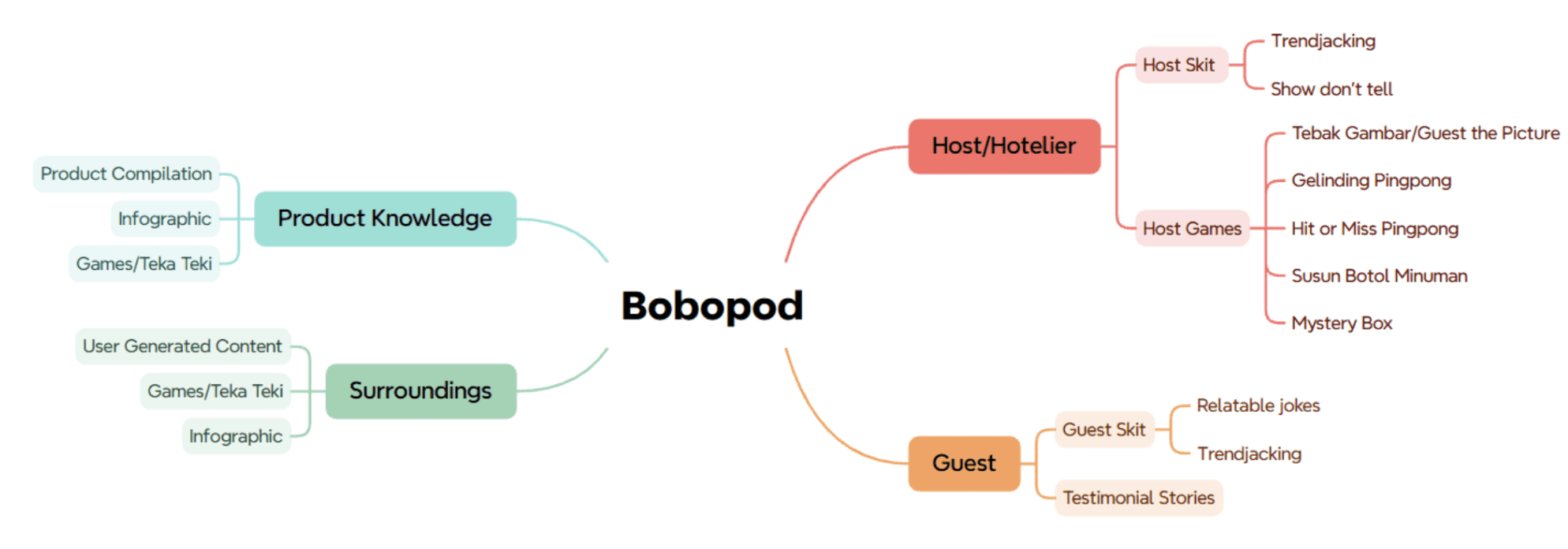
Вместо того чтобы начинать с документа, она начала с одной центральной точки — самого бренда. Работая в индустрии гостеприимства, ей нужно было учитывать несколько точек зрения одновременно. От этого центра она выстраивала контент-пиллары, такие как хост или отельер, гость, район и знание продукта. Затем каждый пиллар мог расширяться в идеи контента, форматы, зацепки и заметки по реализации.
Эта карта показывает, как Belva структурирует контент-пиллары и исследует идеи с разных точек зрения бренда:
Со временем это стало её естественной отправной точкой. Перед созданием редакционных планов, перед написанием подписей, перед открытием Canva и перед планированием публикаций она открывала Xmind. Это стало пространством, где идеи могли существовать в своей ранней, неструктурированной форме и постепенно обретать очертания.
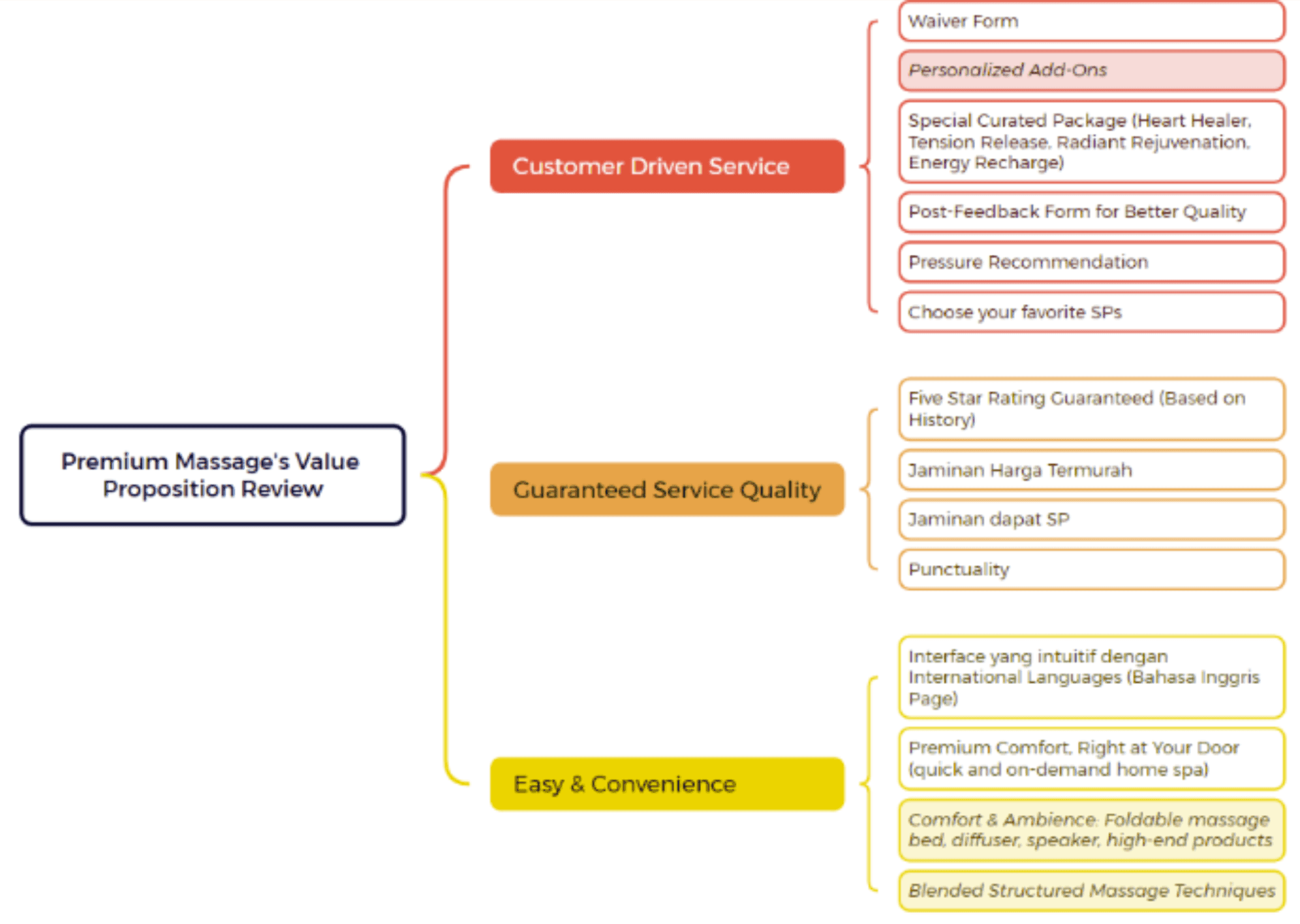
Этот же подход помогал и в более широких обсуждениях. Когда они проводили брейншторм кампаний или работали над идеями выхода на рынок, Belva сначала всё раскладывала по карте, а не загоняла ранние мысли в слайды. В одном случае это помогло при запуске премиальных услуг, где нужно было разобрать ценностное предложение, чтобы доработать особенности сервиса и позиционирование.
Эта карта показывает, как сложная ценность услуги разбивается на части при планировании кампаний и выхода на рынок:
Как ясность изменила сотрудничество Belva
По мере того как идеи становились видимыми и связными, этап генерации идей начал ощущаться иначе. Belva больше не чувствовала себя перегруженной, начиная новый проект, даже если бренды были сложными или сроки сжаты.
Со временем разница стала очевидной:
Начинать новый проект больше не казалось перегрузкой, даже при сжатых сроках
К идеям можно было возвращаться и адаптировать их, а не переделывать с нуля
Разговоры сместились с объяснения отдельных идей на обсуждение общего направления
Идеи больше не жили только у неё в голове. Когда они были разложены по карте, к ним было легче возвращаться, корректировать их и развивать дальше. Это снизило необходимость каждый раз переосмысливать всё с самого начала, когда появлялись правки или новые потребности в контенте.
Обсуждения тоже стали лучше. Вместо того чтобы объяснять идеи по одной, Belva могла показать, как каждый фрагмент контента вписывается в более широкую структуру. Это сделало разговоры с командой и клиентами более гладкими и помогло укрепить доверие к её рекомендациям.
И самое главное, генерация идей снова стала приносить удовольствие. Вместо давления, требующего немедленно прийти к идеальным идеям, она могла исследовать, разветвлять и дорабатывать их так, как ей естественно думается.
Изучите больше шаблонов для маркетологов
Сетки конкурентного ландшафта
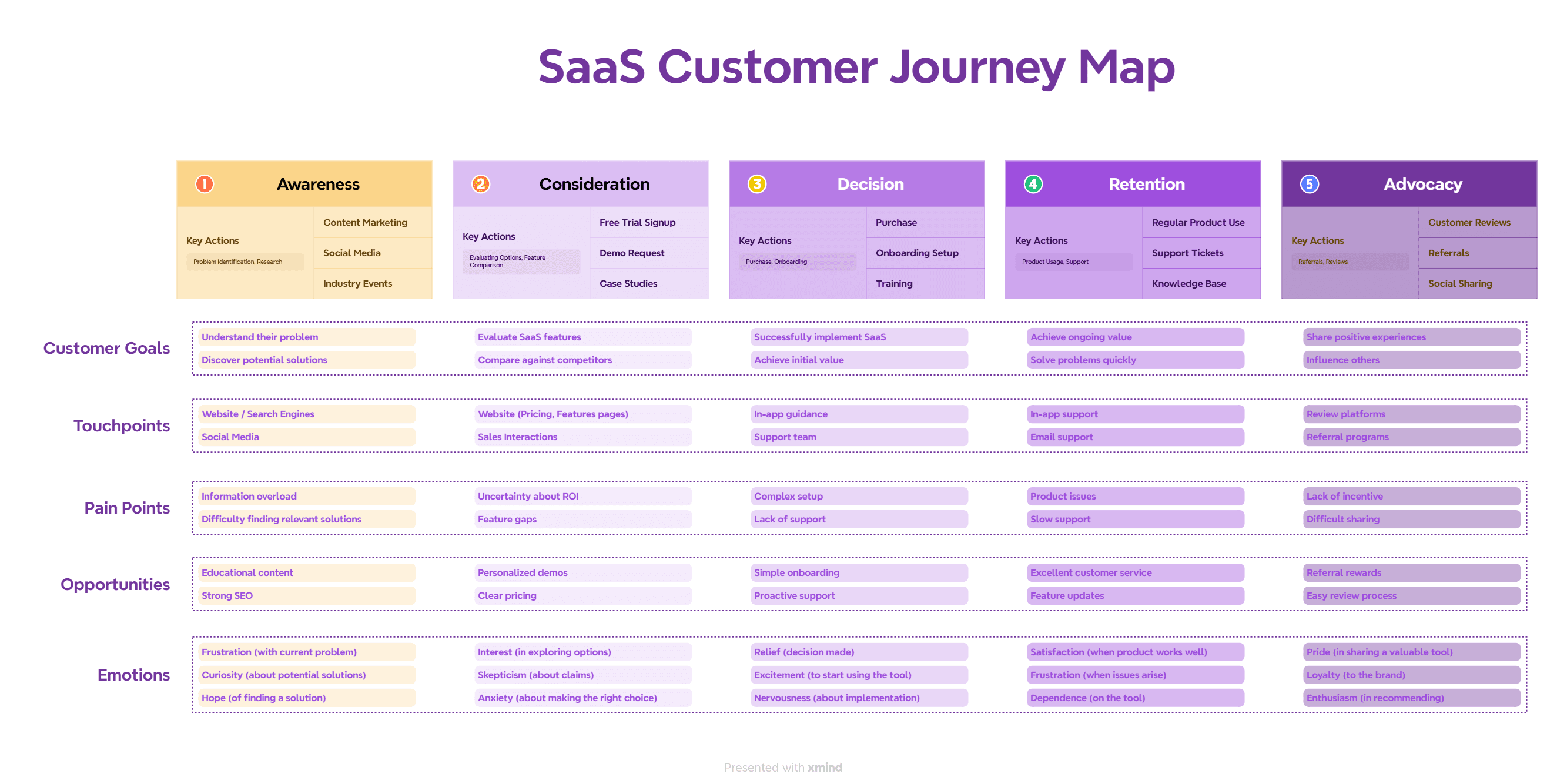
Карта пути клиента SaaS
Маркетинговый календарь