Как ИТ-архитектор упростил сложные концепции облачных технологий

Нитин Кулкарни - архитект IT, работающий с облачными технологиями. Наряду с его текущими проектными обязанностями он готовился к сертификации AWS, чтобы укрепить свою техническую базу. Значительная часть его работы связана с пониманием сложных систем и отслеживанием идей, возникающих в процессе обучения, проектирования и сотрудничества.
Балансирование между этими разными контекстами означало, что он часто обрабатывал новую информацию, применяя то, что уже выучил.
Задача: управление разрозненной информацией в разных контекстах
Подготовка к сертификации AWS не проходила в тишине или изоляции. Она шла параллельно с активными проектами и частыми техническими обсуждениями. Заметки накапливались быстро и из множества источников.
Обычно они были представлены в виде длинных текстовых документов или разбросанных списков, таких как:
темы экзаменов и описания услуг
идеи, связанные с проектом, и соображения по дизайну
ключевые моменты, зафиксированные во время встреч
Отдельно эти заметки имели смысл. Но когда Нитину нужно было просмотреть их вместе или соединить связанные идеи, процесс становился медленнее и утомительнее, чем ожидалось.
Не информация отсутствовала, а более ясный способ удерживать её все вместе.
Подход: использование Xmind для структурирования сложных облачных концепций
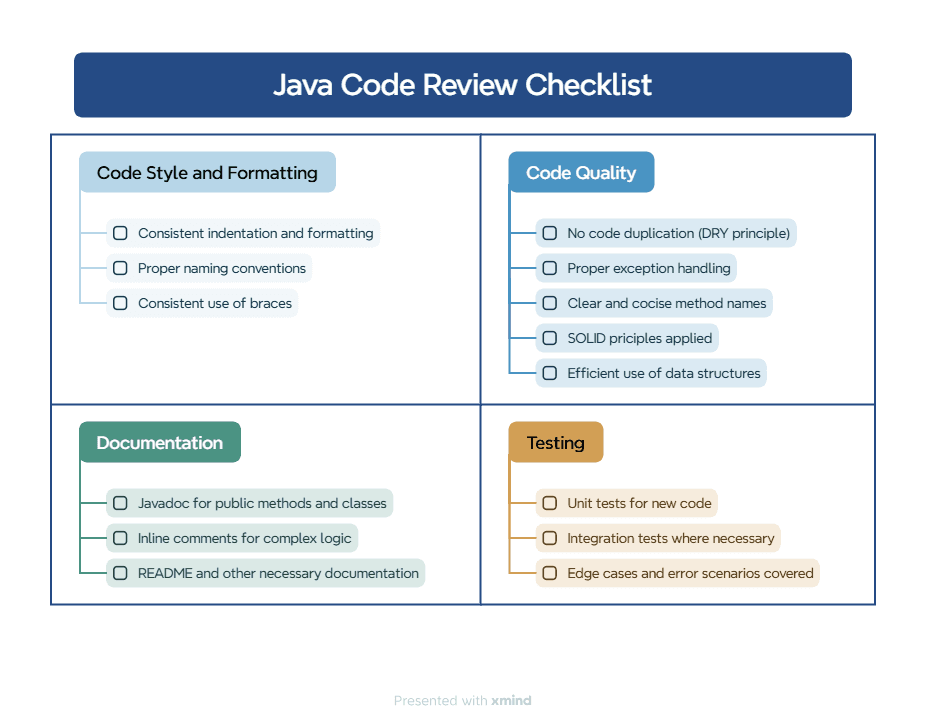
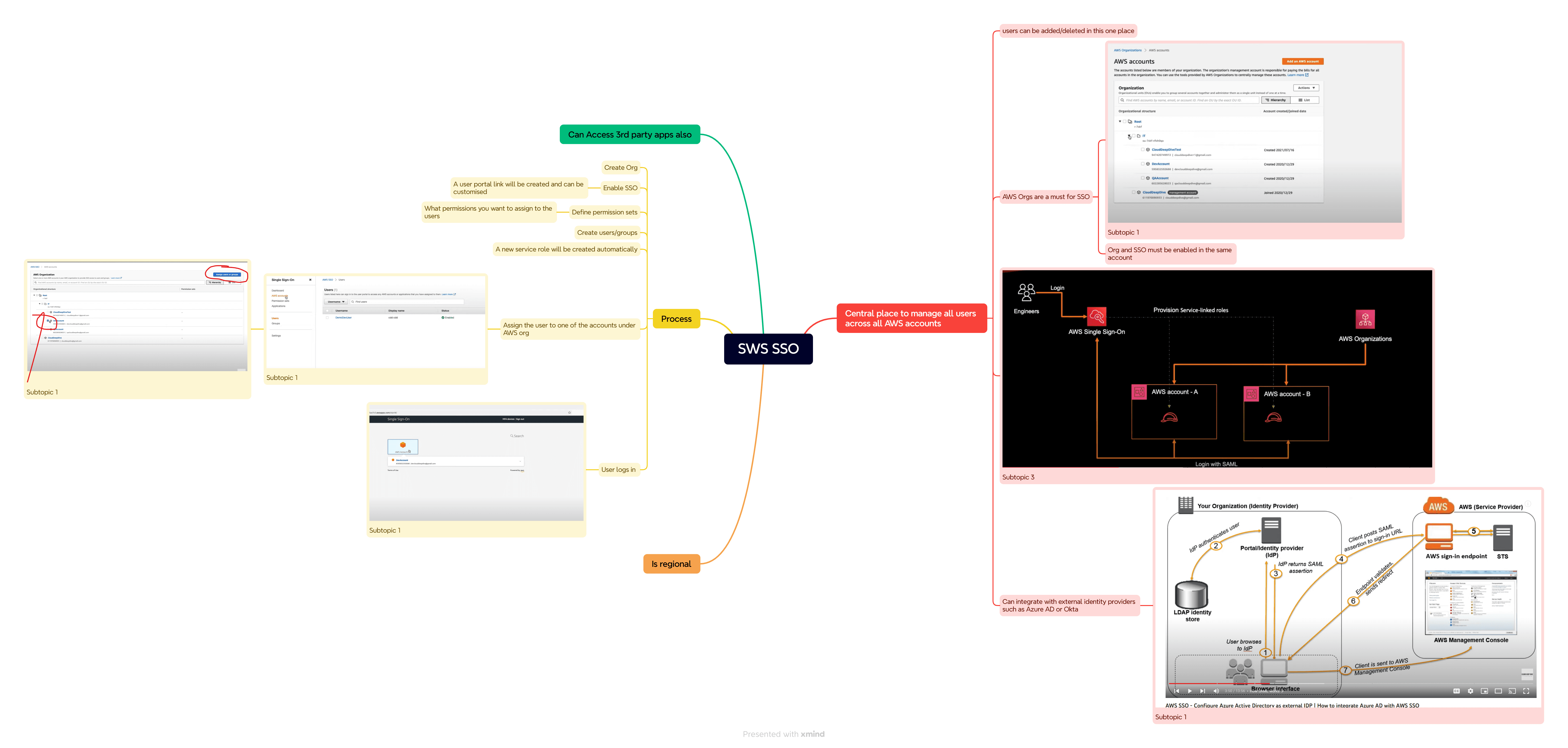
Нитин начал использовать Xmind во время подготовки к экзамену AWS, чтобы структурировать изучаемый материал. Вместо того чтобы писать длинные списки, он визуально Картировал услуги, функции и примеры использования. Разбиение крупных тем на более мелкие и связанные части сделало их легче для понимания и повторного изучения.
Этот подход облегчил:
Видеть взаимосвязи между облачными услугами
Пересматривать ключевые концепции без перечитывания длинных заметок
Расширять или уточнять Карты по мере углубления понимания
С формированием привычки, тот же метод естественно распространился на проектную работу и встречи. Планирование проектов, технические обсуждения и пункты актуальных задач могли фиксироваться в одной Карте, сохраняя как детали, так и контекст.
Поддержка понимания с помощью AI-асистируемого Картирования
С внедрением AI-функций в Xmind, создание и уточнение Карт стало более эффективным. При повторном рассмотрении сложных тем, AI-асистируемое расширение помогало прояснять связи и укреплять ключевые концепции без перегрузки структуры.
Это было особенно полезно во время пересмотра экзамена, когда целью было укрепление понимания, а не переписывание заметок. Карты оставались простыми, но становились более полными и лёгкими для обзора.
Xmind приносит более ясное обучение и практические результаты
Использование согласованной визуальной структуры поддерживало Нитина в достижении сертификаций AWS. Помимо самого экзамена, это также улучшило, как он обрабатывал сложную информацию в повседневной работе.
Некоторые из самых заметных изменений включали:
Более быстрый обзор технических концепций
Более лёгкое воспоминание решений, связанных с проектом
Меньше усилий, затраченных на реорганизацию разбросанных заметок
Xmind стал тихим инструментом поддержки на протяжении процесса — помогая сделать сложность более управляемой, при этом сохраняя фокус на обучении и реальной проектной работе.
Изучайте больше шаблонов для программистов
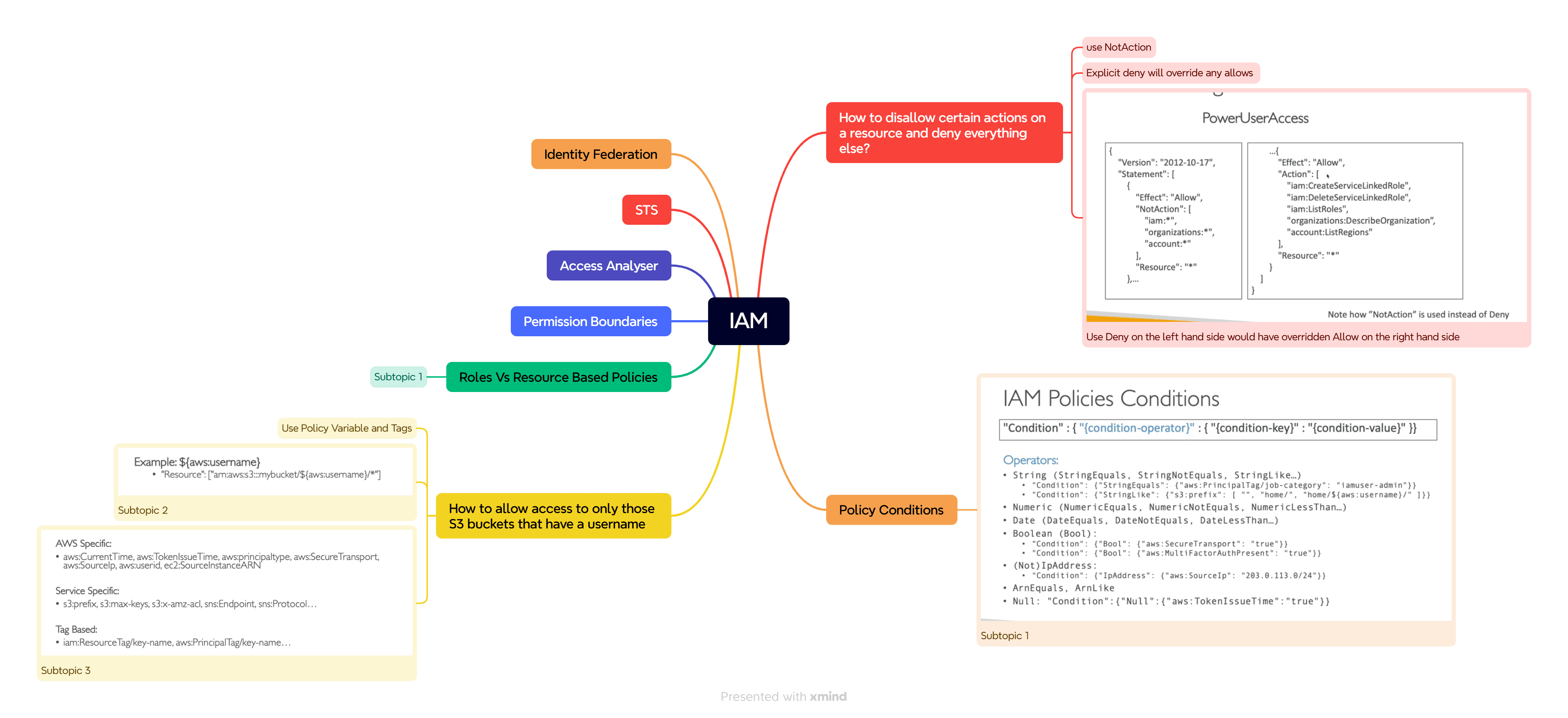
Слоистая диаграмма архитектуры
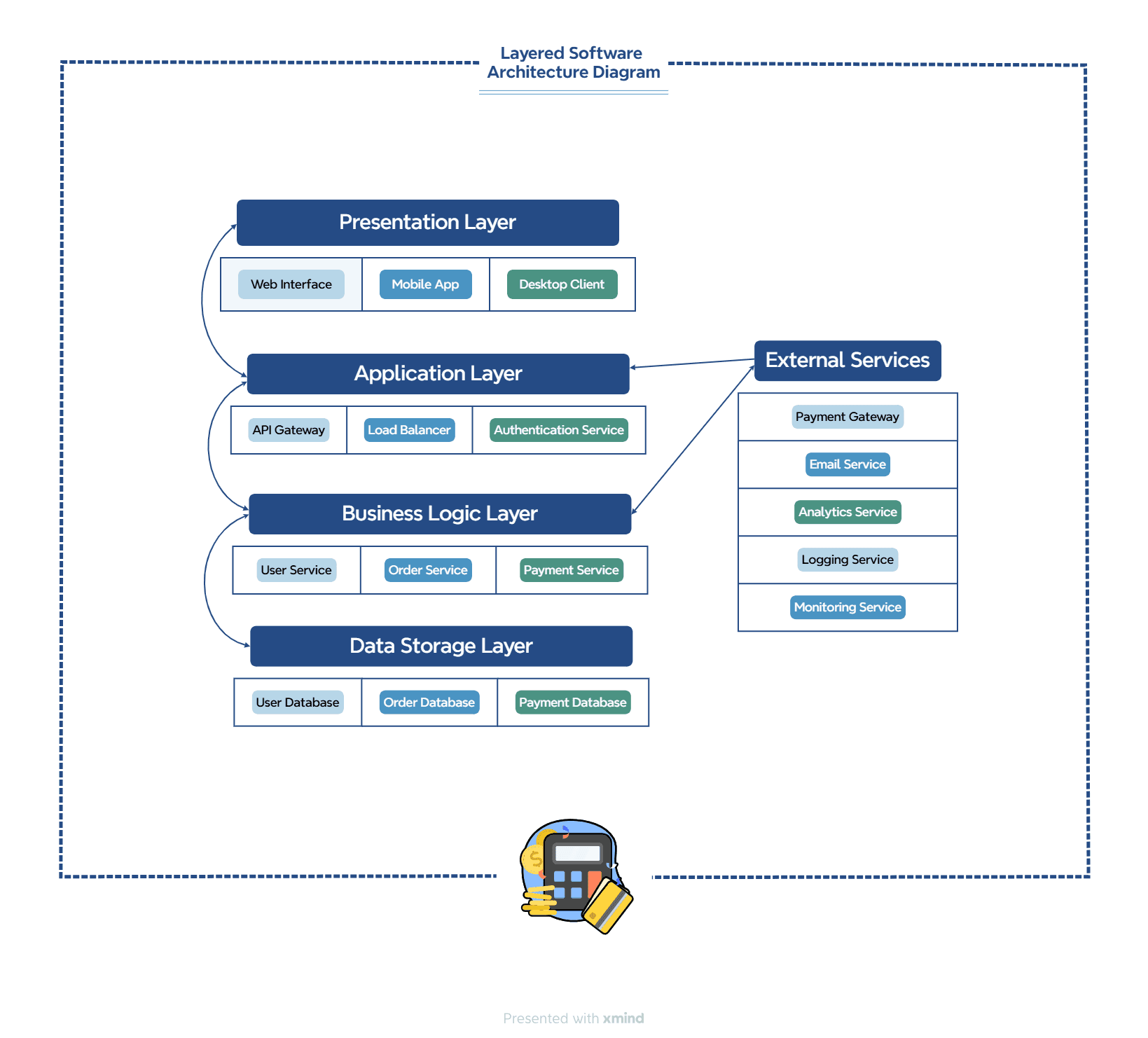
Контрольный список обзора Java-кода