菜单...

2026年1月26日

When educators use mind mapping to make complex knowledge click

加载中...

Dr Li Na teaches in the MSc Digital Education programme. Much of her work focuses on preparing future educators to design learning in complex, technology-rich environments.

Over the years, one issue kept bothering her. Students submitted work on time. Presentations looked polished. But when she tried to understand how students were actually thinking, the answers were often unclear.

The challenge of seeing what students really understand

In Li Na’s courses, students work on tasks that require structured thinking. They design courses, analyse academic literature, and present research ideas. On paper, the results often looked fine.

But when she reviewed these assignments, Li Na noticed a pattern she could not ignore.

At the core, the challenge was that:

  • written reports showed conclusions, but not logic

  • PowerPoint slides fragmented ideas into separate slides

  • it was difficult to see how arguments were built

  • areas of confusion were hard to identify

This was especially frustrating in literature-based tasks. After reading long summaries or listening to presentations, she still could not tell whether students understood the structure of a paper or simply repeated key points.

At one point, she realised something felt wrong. She was grading outcomes without really seeing the thinking behind them.

Using Xmind to make students’ thinking visible

The turning point came during a literature reading task.

Instead of asking for another written report, Li Na asked students to submit a mind map showing how they understood the article. When she opened the first few submissions, something immediately stood out.

At a glance, she could see:

  • how each student had broken down the paper

  • which arguments they connected

  • which ideas they prioritised

  • where the structure started to fall apart

What she was looking at was not a finished answer, but a visual trace of how each student was thinking.

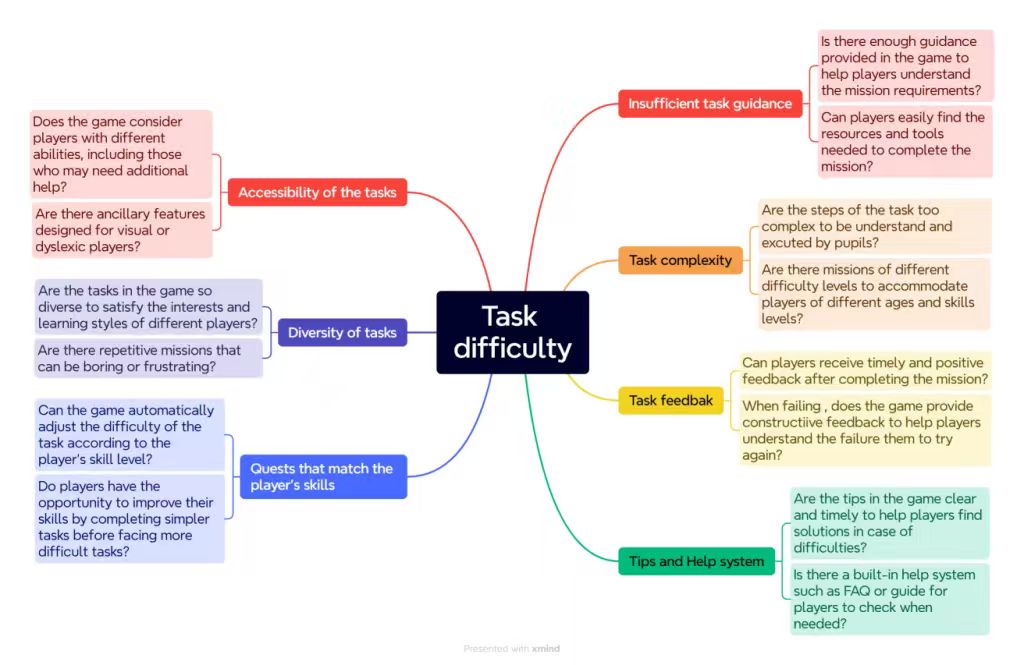
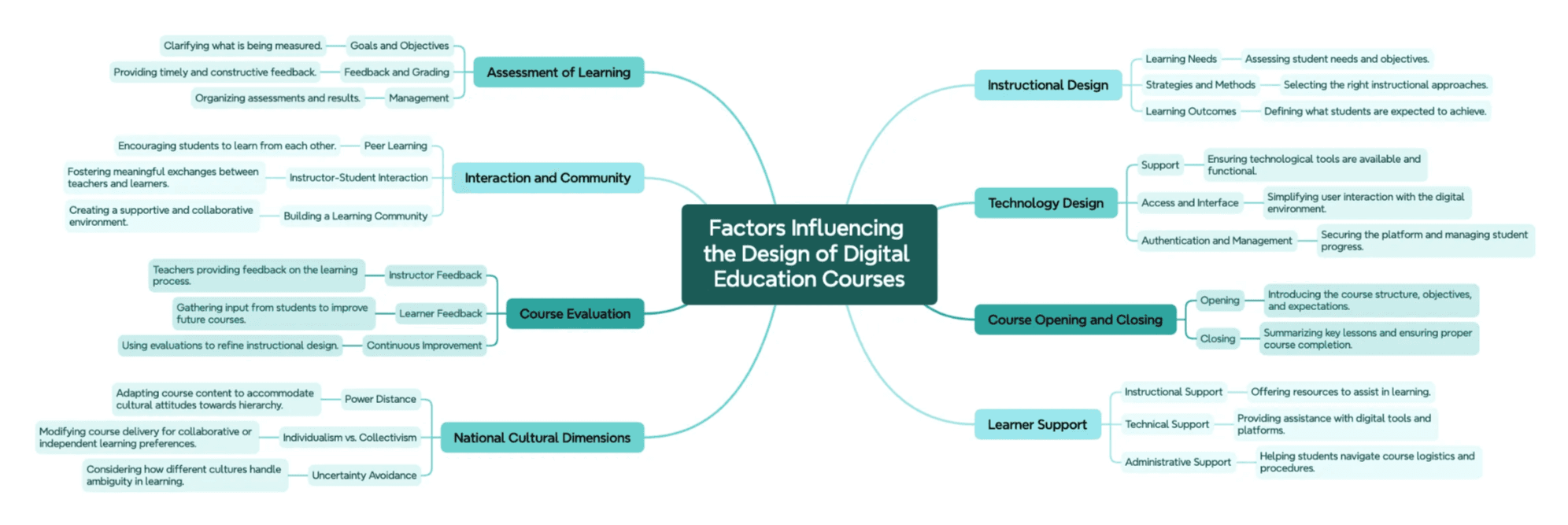
Here are some examples of student assignments created using mind maps.

A student-created mind map exploring different aspects of task difficulty, including accessibility, task complexity, feedback, and support systems.A student-created mind map outlining key factors influencing the design of digital education courses, such as instructional design, assessment, learner support, and technology design.

That moment changed how she approached teaching. She introduced Xmind more deliberately, not as a presentation tool, but as a way for students to externalise their thinking.

Students began using mind maps to:

  • analyse readings

  • design courses

  • prepare presentations

Reviewing assignments no longer felt like decoding. The structure was simply there.

How students changed the way they prepare and present ideas

Li Na also had a clear view on traditional presentations. In her experience, PowerPoint encouraged students to work backwards. They focused on slides at the end, not on structure at the beginning.

With Xmind, that order changed.

Students now:

  • start by mapping ideas before worrying about presentation

  • present directly from their mind maps using Pitch Mode

  • explain ideas based on structure rather than slide order

Li Na noticed a practical difference. Students prepared earlier. Discussions focused more on relationships between ideas. Instead of asking, “What comes next on the slide?”, students explained why ideas belonged together.

What changed, and why it mattered to her

Over time, Li Na’s role in assessment changed as well. Instead of reading between the lines, she could see students’ reasoning directly. In some cases, one look at a mind map told her more than a full written report.

What surprised her most was what happened outside the classroom. Some students began using Xmind on their own, in other courses and group discussions. Others used it to organise their learning into digital portfolios or website structures. The tool became part of how they thought, not just how they submitted assignments.

When asked to describe Xmind in one word, Li Na chose creative thinking. For her, creativity has always been a difficult concept. She does not believe it can be taught through instructions or formulas. It has long been one of the unanswered questions in education.

Xmind did not solve that question. But it offered her something she had been looking for: a way to make thinking visible, and in doing so, create space for creativity to emerge.

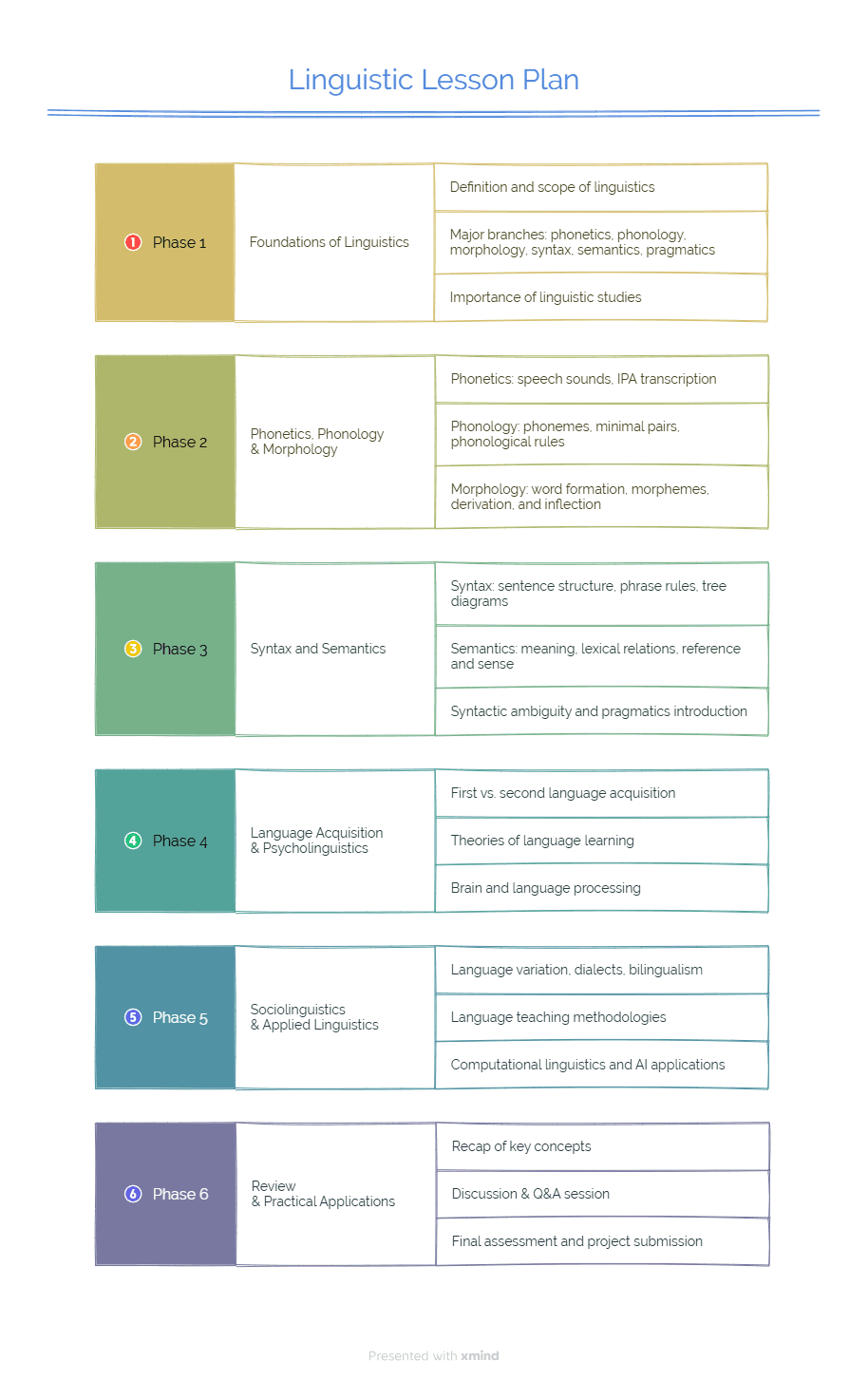
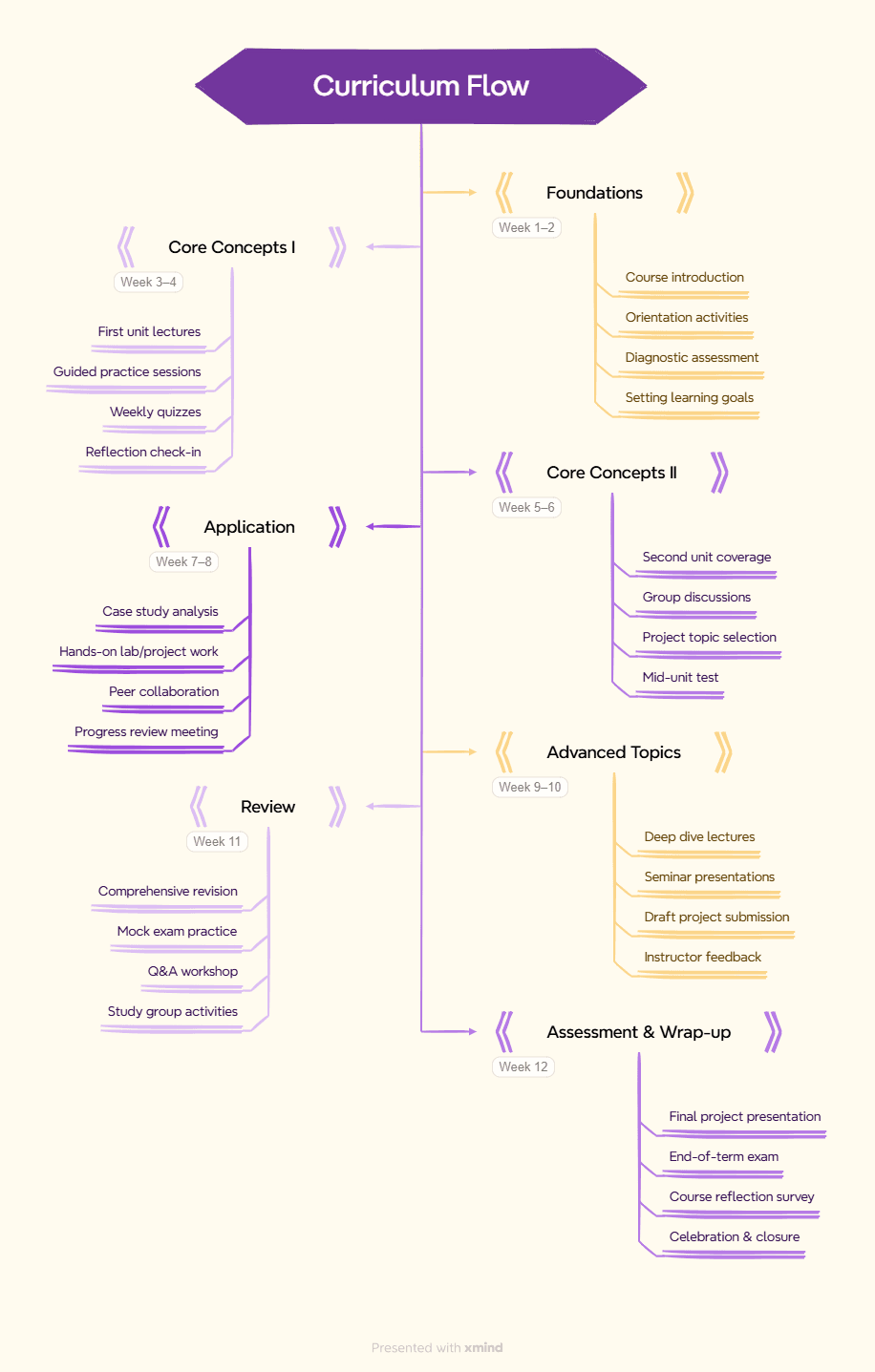
Explore more templates for educators

Lesson Plan of Linguistic

Lesson Plan of Linguistic from Xmind

Curriculum Flow

Curriculum Flow from Xmind


更多文章

Xmind logo - mind map and brainstorming tool

功能

解决方案

资源

Xmind logo - mind map and brainstorming tool