Die stille Rolle des Mind Mappings—wie ein Mind Mapping Coach Mind Mapping nutzt, um Komplexität zu navigieren

Manche Werkzeuge kommen als Lösungen daher. Andere werden still zu einem Teil der Arbeitsweise eines Menschen.
Für Dr. Subra Mukherjee gehört Mindmapping zur zweiten Kategorie. Es änderte nicht, womit sie arbeitete, prägte aber, wie sie Menschen dabei unterstützt, Komplexität in Beratungsgesprächen, Schulungsworkshops und langfristigen Lernprogrammen zu durchdenken.

Als Notizen das Denken nicht stützten
Viele Jahre lang waren Subras Notizen immer chaotisch.
Lineares Notieren ergab für sie nie wirklich Sinn. Ideen kamen nicht in sauberen Reihenfolgen. Sie verzweigten sich, überlappten sich und verbanden sich über Themen hinweg. In der Schule hatte sie keine Sprache für diese Diskrepanz. Notizen wurden festgehalten, wurden aber selten zu etwas, womit sie denken konnte. Noch weniger nützlich waren sie, wenn sie anderen ihr Denken erklären musste.
Sie begegnete Mindmapping erstmals während ihres Masterstudiums und nutzte es vor allem zum Notizenmachen und zum Organisieren von Literaturüberblicken. Es fühlte sich sofort passend an. Nicht, weil es beeindruckend war, sondern weil es Assoziationen statt einer Reihenfolge folgte und ihrer natürlichen Denkweise entsprach.
Als Denken Teil ihrer Arbeit mit anderen wurde
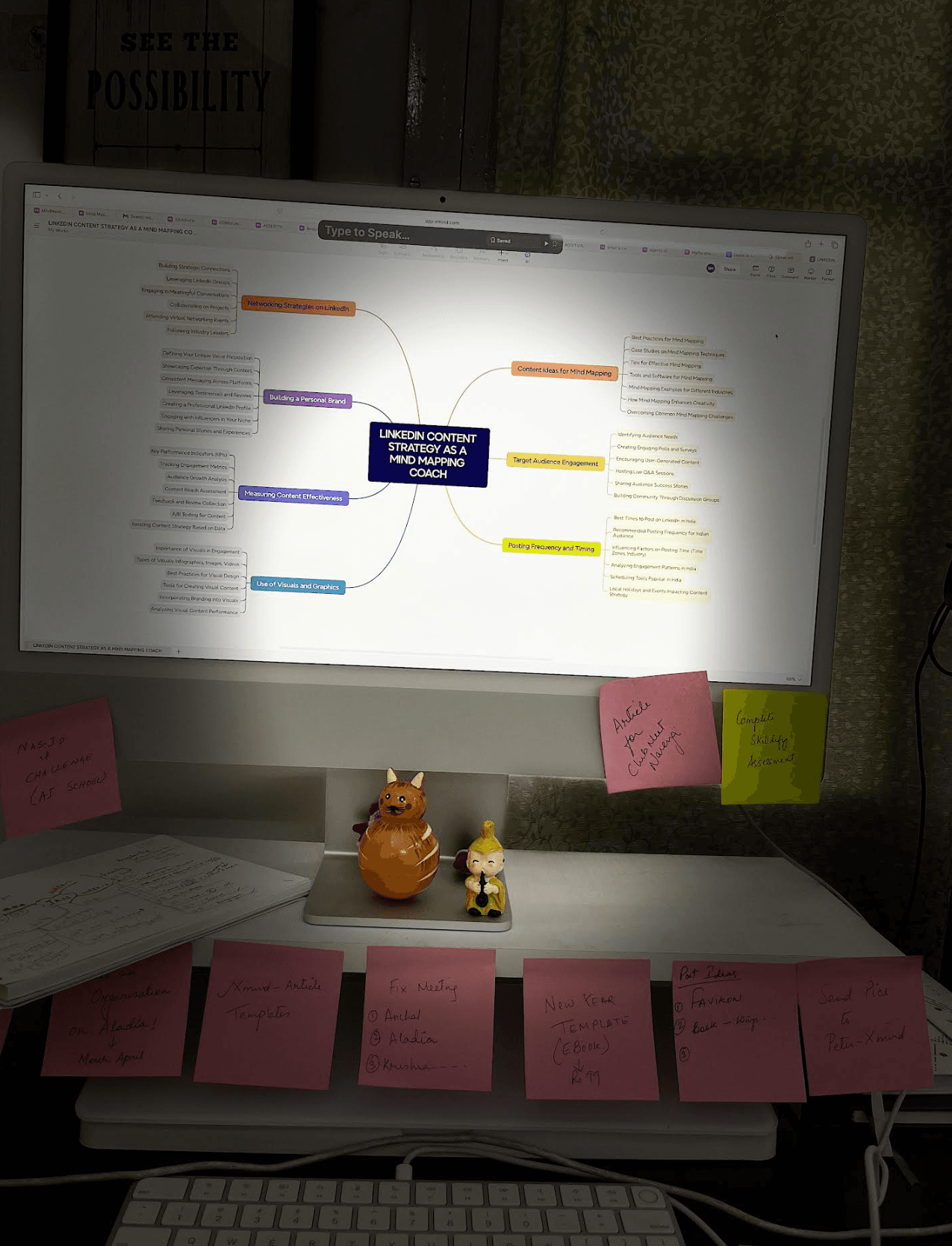
Neugier folgte. Subra begann, Mindmapping über akademische Aufgaben hinaus auszuprobieren. Nach und nach hielt es in verschiedenen Bereichen ihrer Arbeit Einzug:
Ideen, Pläne und offene Fragen erkunden
Lehr- und Trainingssitzungen vorbereiten
erste Beratungseinsätze strukturieren
Um 2015 herum jonglierte sie mit mehreren Rollen. Sie war Hochschullehrerin, Forscherin, Betreuerin und jemand, der zunehmend mit dem Denken anderer arbeitete. Projekte nahmen zu, und die Erwartungen an Klarheit und Richtung stiegen. Handgezeichnete Mindmaps begannen sich als begrenzend anzufühlen.
Es war einfach zu viel Denken vorhanden, ihr eigenes und das ihrer Klienten, um es auf Papier festzuhalten.
Was sie brauchte, war nicht länger nur eine Methode, Gedanken zu notieren. Sie brauchte einen digitalen Raum, der komplexe Gespräche aufnehmen konnte, während sie sich entfalteten.
Einen Weg finden, komplexes Denken zu halten
Subra probierte mehrere digitale Werkzeuge aus. Xmind blieb aus einem einfachen Grund. Es ließ Denken erst einmal existieren, bevor es Ordnung verlangte.
Ihre ersten Mindmaps waren praktisch und ungeschliffen. Sie umfassten:
Forschungsthemen und Literaturüberblicke
Buchkapitel und Schreibstrukturen
Unterrichtspläne und Curriculumsdesigns
Workshop-Gliederungen und Notizen zu Klientensitzungen
Alltagsplanung, etwa Reisen oder Einkäufe
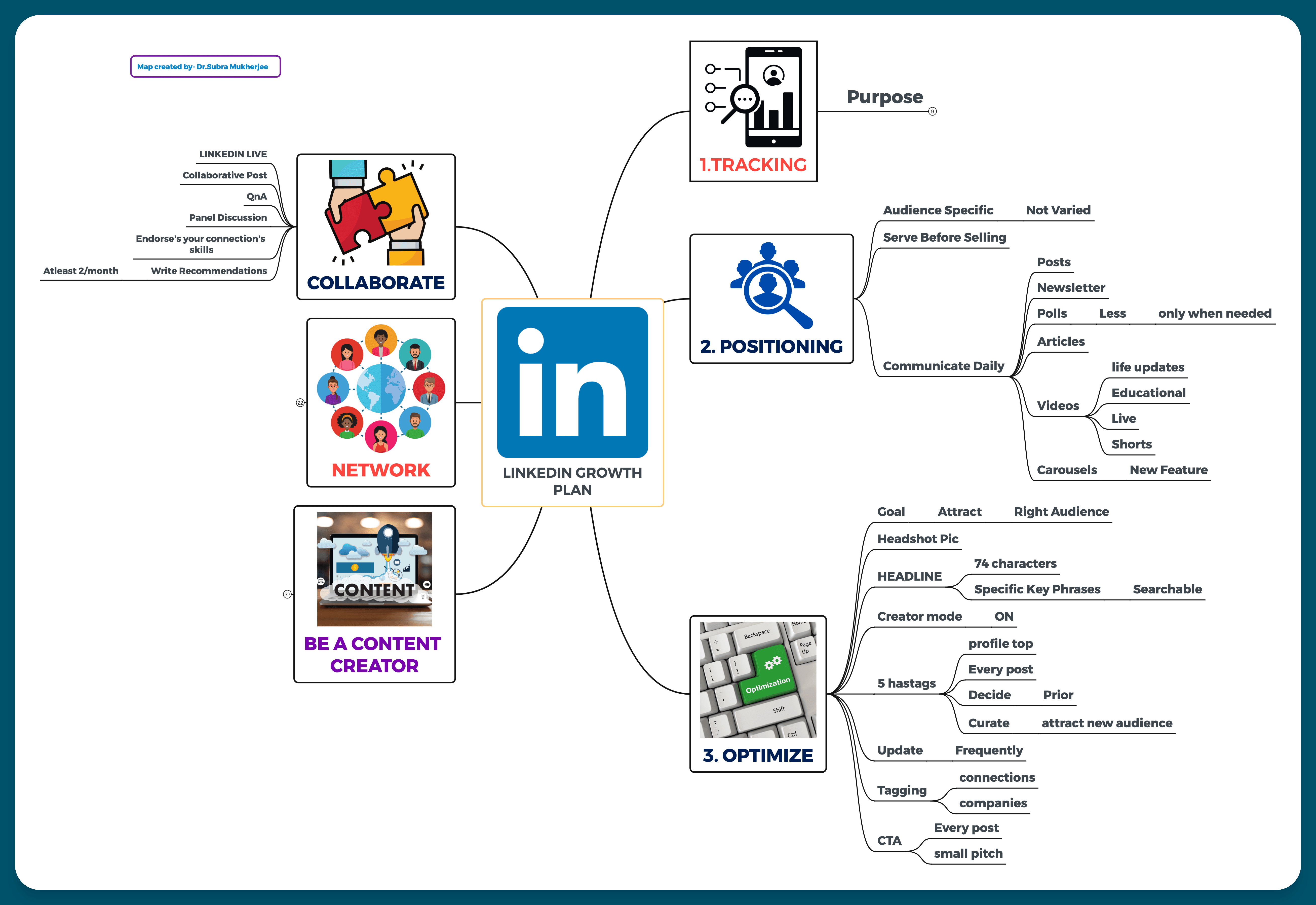
Überraschend war für sie die Erleichterung, die durch das Externalisieren von Komplexität entstand, besonders bei Arbeit mit mehreren Perspektiven.
Xmind unterstützte ihr Denken auf leise Weise:
Äste führten Hierarchie ein, wenn Gespräche unübersichtlich wurden
Farben bündelten Bedeutung ohne lange Erklärung
unfertige Ideen konnten unfertig bleiben
eingeklappte Bereiche ermöglichten Fokus, ohne den Kontext zu verlieren
Es ging nicht um Optimierung. Es ging darum, mentales Rauschen zu reduzieren.
Wie gemeinsame Klarheit Teil ihrer Beratungsarbeit wurde
Die erste sichtbare Veränderung zeigte sich in ihrer Trainings- und Beratungsarbeit.
Die Vorbereitung von Sitzungen verlagerte sich weg vom Einüben von Inhalten hin zum Strukturieren von Verständnis. In Workshops wurden Mindmaps zu einer gemeinsamen Arbeitsfläche. Fragen, Annahmen und blinde Flecken konnten in Echtzeit sichtbar gemacht werden. Was Klienten oft als Klarheit beschrieben, waren keine ausgereiften Antworten, sondern ein klarerer Blick darauf, wie Ideen zusammenhängen.
Als ihre Arbeit größere Projekte umfasste, blieb Xmind zentral:
Kurse und langfristige Lernprogramme gestalten
Argumentationslinien für Schreiben und Forschung entwickeln
Strukturen testen, ohne sich zu früh festzulegen
Klienten durch Entscheidungen und Übergänge begleiten
Die Arbeit wurde nicht einfacher, aber sie wurde leichter navigierbar, besonders in Situationen, in denen Denken geteilt werden musste.
Heute zieht sich Mindmapping leise durch Subras Beratungspraxis. Sie nutzt es, um Trainingsprogramme zu entwickeln, Workshops zu moderieren, Bücher und Kurse zu skizzieren und Klientenwege zu strukturieren. Diese Aufgaben sind nicht thematisch verbunden. Verbunden sind sie durch die Notwendigkeit, Denken sichtbar zu machen.
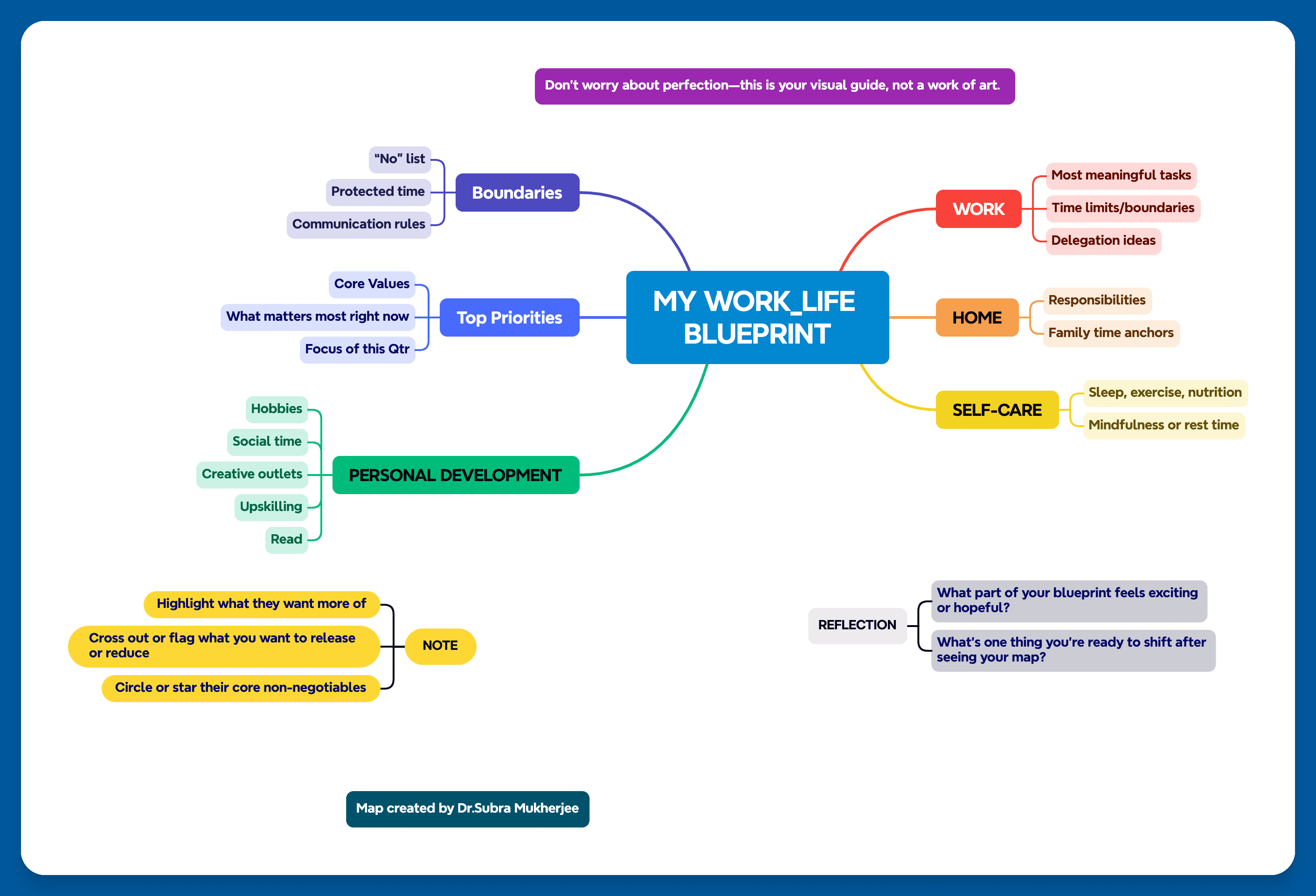
Xmind vereinfachte ihre Arbeit nicht. Es machte Komplexität navigierbar. Und für eine Beraterin, die mit Ideen arbeitet, machte das den entscheidenden Unterschied.
Entdecken Sie weitere Vorlagen für Berater
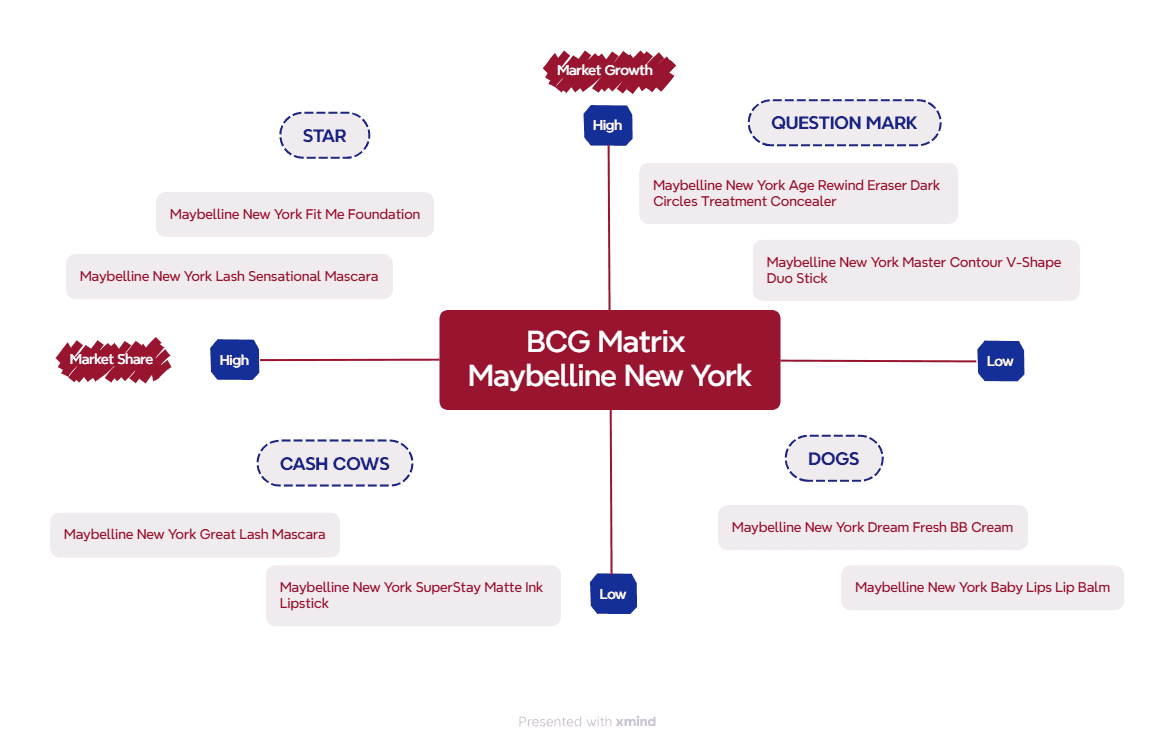
BCG Matrix Maybelline New York
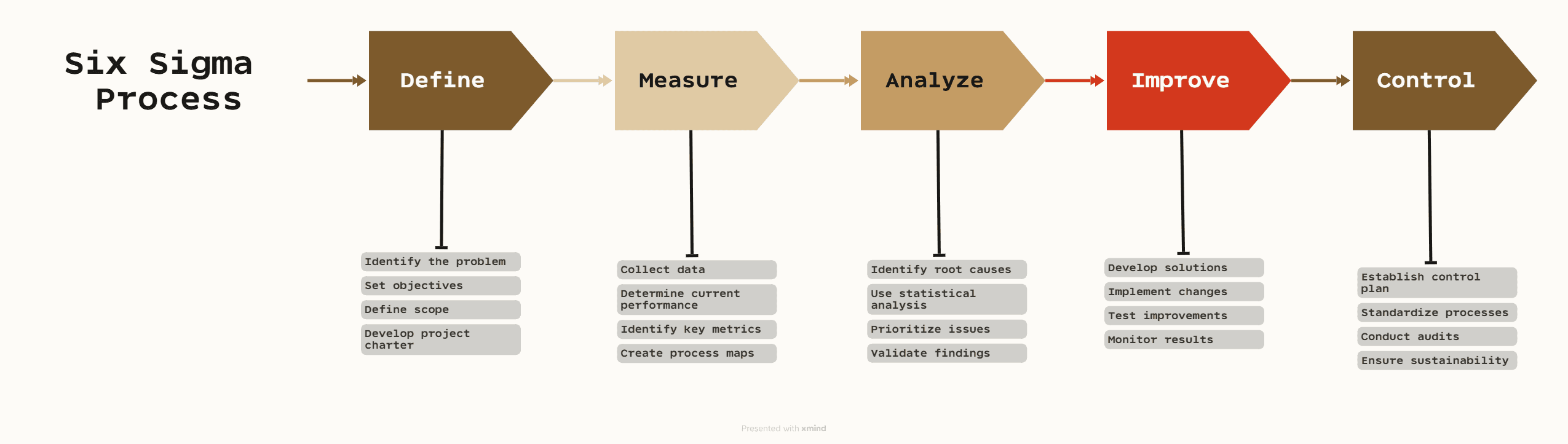
Six Sigma Prozessdiagramm
SWOT-Analyse-Diagramme