Cách Sơ đồ tư duy hỗ trợ công việc phức tạp của nhà sản xuất video
Thibault Vanhoutte là nhà sản xuất video sống tại Pháp. Công việc của anh xoay quanh ý tưởng—chúng bắt đầu ra sao, hình thành thế nào, và cuối cùng trở thành thứ mà khách hàng có thể hiểu và đồng ý. Bề ngoài, công việc trông sáng tạo và linh hoạt. Thực tế, nó là một dòng quyết định, điều chỉnh và trao đổi liên tục, hiếm khi theo đường thẳng.
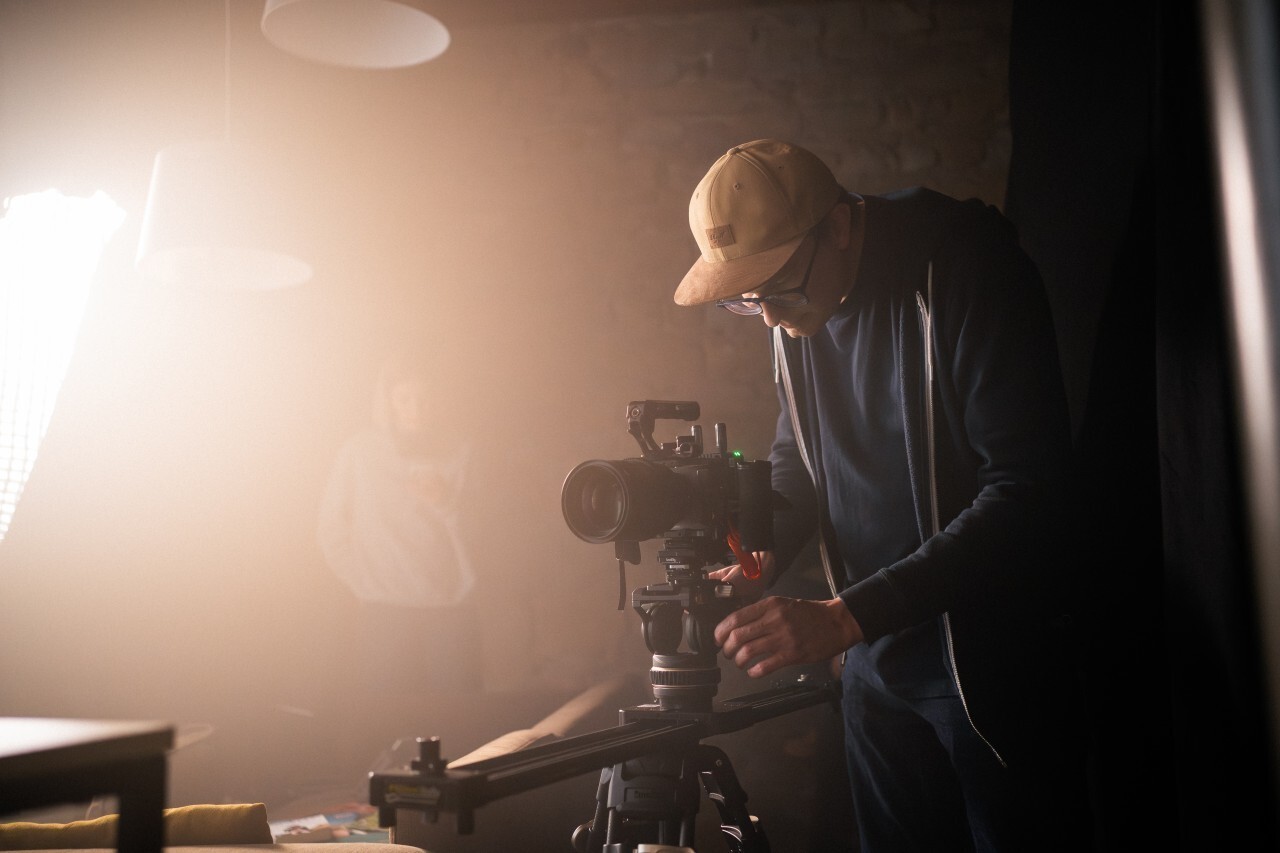
Sản xuất video chỉ là một phần công việc. Mỗi dự án kết hợp ý tưởng, thiết lập quay, lựa chọn thiết bị, logic định giá và giao tiếp với khách hàng. Tất cả đều liên kết với nhau, nhưng hiếm khi xuất hiện theo một trật tự rõ ràng hay có thể đoán trước.
Vấn đề: tư duy trực quan bị kẹt trong các công cụ tuyến tính
Thibault luôn là người tư duy bằng hình ảnh. Ý tưởng đến với anh dưới dạng hình khối, liên kết và khả năng hơn là danh sách có thứ tự. Trước khi dùng sơ đồ tư duy một cách nghiêm túc, những ý tưởng đó bị phân tán trong tài liệu, ứng dụng ghi chú và các bản nháp dang dở.
Khi có sự cố trên một buổi quay, anh thường nhận ra đó không phải là sai lầm mới, mà là điều anh đã từng trải qua nhưng chưa ghi lại bài học đúng cách. Theo thời gian, điều này tạo ra những ma sát lặp lại trong công việc của anh:
những vấn đề tương tự tái diễn ở nhiều buổi quay khác nhau
cùng một lời giải thích lặp lại trong các cuộc trao đổi với khách hàng
các quyết định được xem xét lại nhiều lần mà không có thêm insight mới
Tài liệu truyền thống khiến điều này tệ hơn. Chúng ép mọi thứ vào một trình tự tuyến tính, ngay cả khi bản thân công việc không hề tuyến tính. Không có một nơi duy nhất để giữ cách anh tư duy dưới một hình thức dễ xem lại, điều chỉnh hoặc tái sử dụng.
Xmind phù hợp với quy trình làm việc của anh như thế nào
Thibault bắt đầu dùng Xmind để tạo cấu trúc cho cách anh vốn đã suy nghĩ.
Anh bắt đầu bằng cách lập sơ đồ các quy trình quay của mình. Với mỗi loại sản xuất—phỏng vấn, quay thương mại, setup quay đơn và các sản xuất lớn hơn—anh tạo một sơ đồ riêng phản ánh cách dự án thực sự diễn ra, từ tiền sản xuất đến bàn giao. Những sơ đồ này không mang tính lý thuyết. Chúng phát triển theo từng dự án.
Mỗi khi có thứ gì hỏng, bị chậm hoặc kém hiệu quả trên set, anh quay lại sơ đồ và bổ sung phần còn thiếu. Theo thời gian, các sơ đồ này biến kinh nghiệm thành thứ có cấu trúc mà không làm nó quá đơn giản.
Cách tiếp cận tương tự cũng áp dụng cho thiết bị của anh. Thay vì duy trì những danh sách gear dài, anh giữ một sơ đồ trực quan về thiết bị, gồm:
máy quay và ống kính
micro và thiết bị âm thanh
phụ kiện với các trường hợp sử dụng cụ thể
Mỗi nhánh nắm bắt ngữ cảnh như trọng lượng, giá, hạn chế và tình huống lý tưởng. Nhờ đó, việc so sánh dễ hơn và quyết định nhanh hơn.
Với công việc sáng tạo, Xmind cho anh không gian để khám phá mà không phải cam kết quá sớm. Anh bắt đầu từ một ý tưởng trung tâm rồi mở rộng ra, khám phá mọi biến thể có thể. Một số nhánh rất thực tế, số khác thì hoàn toàn phi lý. Nhìn chúng cùng nhau giúp anh xây dựng những kịch bản mà tư duy tuyến tính sẽ không bao giờ dẫn tới.
Khi xây dựng nền tảng thương hiệu, anh dùng chế độ Matrix để nhóm mọi thứ định hình một thương hiệu:
điểm mạnh và điểm yếu
các dịch vụ được cung cấp
định hướng phong cách và ranh giới sáng tạo
USP và thông điệp chính
những thông điệp cần tránh
Chỉ cần nhìn một lần, anh có thể hiểu bản sắc thương hiệu và điều hướng lượng thông tin lớn mà không bị lạc.
Xmind cũng hỗ trợ các cuộc trao đổi bán hàng của anh. Thibault giữ một sơ đồ riêng cho các phản đối của khách hàng, bao gồm những băn khoăn quen thuộc như ngân sách, thời gian, hay “chúng tôi chỉ muốn thứ gì đó đơn giản.” Mỗi phản đối được triển khai thành:
một câu trả lời mềm mỏng hơn để giảm căng thẳng
một câu trả lời trực tiếp để đặt giới hạn
một ví dụ hoặc bằng chứng để củng cố quan điểm
một phương án dự phòng khi cần
Anh không đọc từ sơ đồ trong lúc gọi, nhưng biết cấu trúc đó tồn tại giúp anh giữ được sự rõ ràng và tự tin ngay lúc đó.

Điều thay đổi sau khi mọi thứ trở nên hữu hình
Khi tư duy đã được sơ đồ hóa, Thibault không còn phải giữ mọi thứ trong đầu. Ý tưởng dễ xem lại hơn, quyết định dễ giải thích hơn, và bài học từ các dự án trước ít có nguy cơ bị quên mất.
Thay vì phản ứng với vấn đề khi chúng xuất hiện, anh có thể nhận ra các mẫu xuyên suốt dự án và tinh chỉnh quy trình làm việc theo thời gian. Các cuộc trao đổi với khách hàng có cấu trúc hơn, và việc khám phá sáng tạo cũng bớt áp lực hơn.
Với cách Thibault làm việc, Xmind giúp loại bỏ ma sát thay vì tạo thêm. Nó cho phép sự phức tạp tồn tại mà không trở nên quá tải.
Với một nhà sản xuất video, sự rõ ràng đó tạo ra khác biệt đáng kể.
Khám phá thêm các mẫu cho nhà thiết kế
Sơ đồ nghiên cứu UX
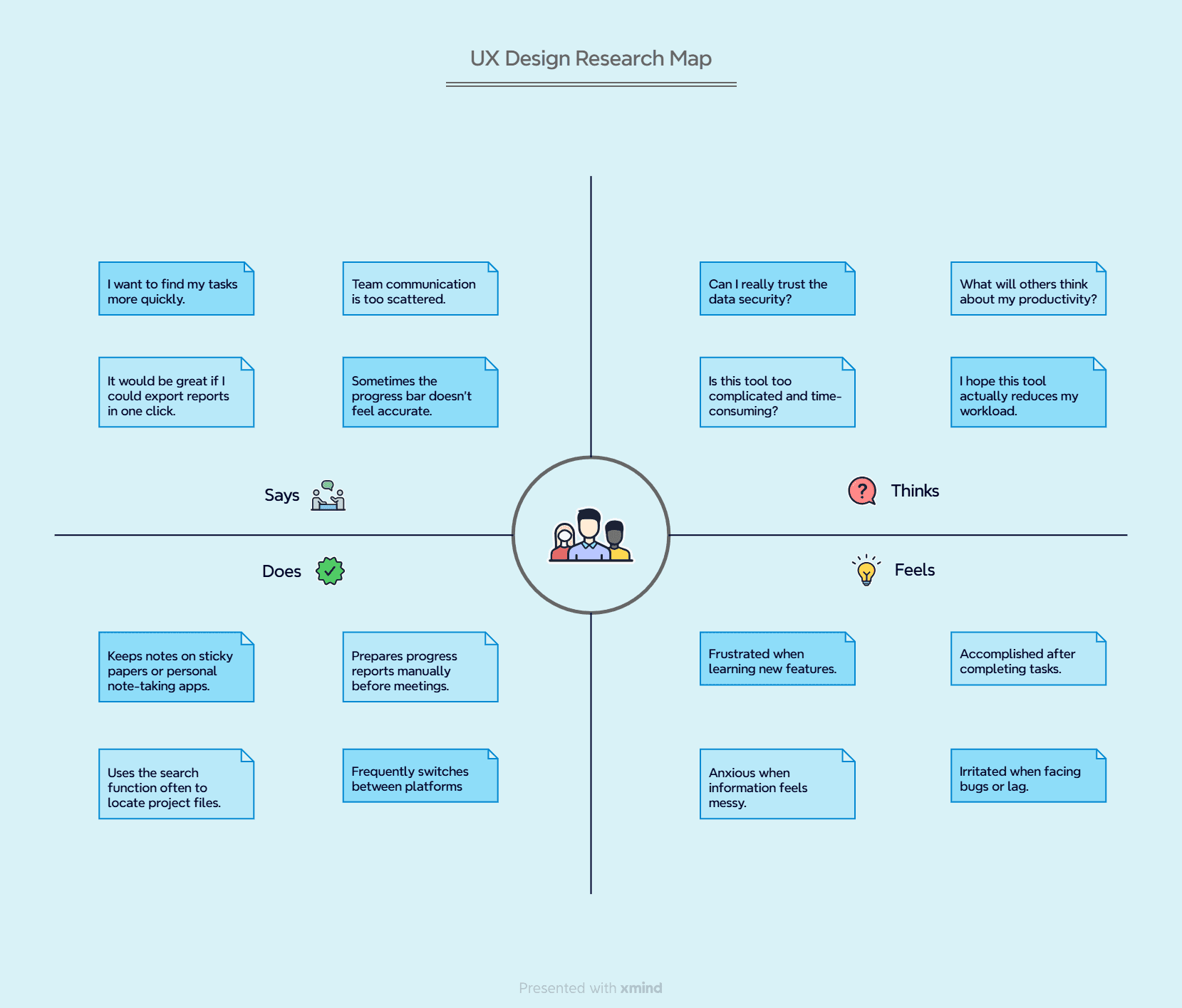
Thiết kế website