





Lawyers
Structure legal thinking, streamline workflows, and stay organized with visual clarity.
Xmind for


Lawyers
Structure legal thinking, streamline workflows, and stay organized with visual clarity.
Xmind for


Lawyers
Structure legal thinking, streamline workflows, and stay organized with visual clarity.
Xmind for


What challenges do lawyers face?

Managing complex legal responsibilities
Lawyers juggle research, drafting, client communication, and court appearances—demanding clarity and organization to stay efficient.

Managing complex legal responsibilities
Lawyers juggle research, drafting, client communication, and court appearances—demanding clarity and organization to stay efficient.

Managing complex legal responsibilities
Lawyers juggle research, drafting, client communication, and court appearances—demanding clarity and organization to stay efficient.

Managing complex legal responsibilities
Lawyers juggle research, drafting, client communication, and court appearances—demanding clarity and organization to stay efficient.

Managing complex legal responsibilities
Lawyers juggle research, drafting, client communication, and court appearances—demanding clarity and organization to stay efficient.

Understanding lawyer responsibilities
From legal advice to representing clients in court, understanding the full scope of lawyer duties is vital to delivering quality service.

Understanding lawyer responsibilities
From legal advice to representing clients in court, understanding the full scope of lawyer duties is vital to delivering quality service.

Understanding lawyer responsibilities
From legal advice to representing clients in court, understanding the full scope of lawyer duties is vital to delivering quality service.

Understanding lawyer responsibilities
From legal advice to representing clients in court, understanding the full scope of lawyer duties is vital to delivering quality service.

Understanding lawyer responsibilities
From legal advice to representing clients in court, understanding the full scope of lawyer duties is vital to delivering quality service.

Keeping documents and cases well-organized
With multiple active cases and legal templates, lawyers need a system to organize documents, arguments, and timelines efficiently.

Keeping documents and cases well-organized
With multiple active cases and legal templates, lawyers need a system to organize documents, arguments, and timelines efficiently.

Keeping documents and cases well-organized
With multiple active cases and legal templates, lawyers need a system to organize documents, arguments, and timelines efficiently.

Keeping documents and cases well-organized
With multiple active cases and legal templates, lawyers need a system to organize documents, arguments, and timelines efficiently.

Keeping documents and cases well-organized
With multiple active cases and legal templates, lawyers need a system to organize documents, arguments, and timelines efficiently.
Why Xmind is the ideal tool for legal professionals
COLLABORATION
Improve legal collaboration with visual clarity
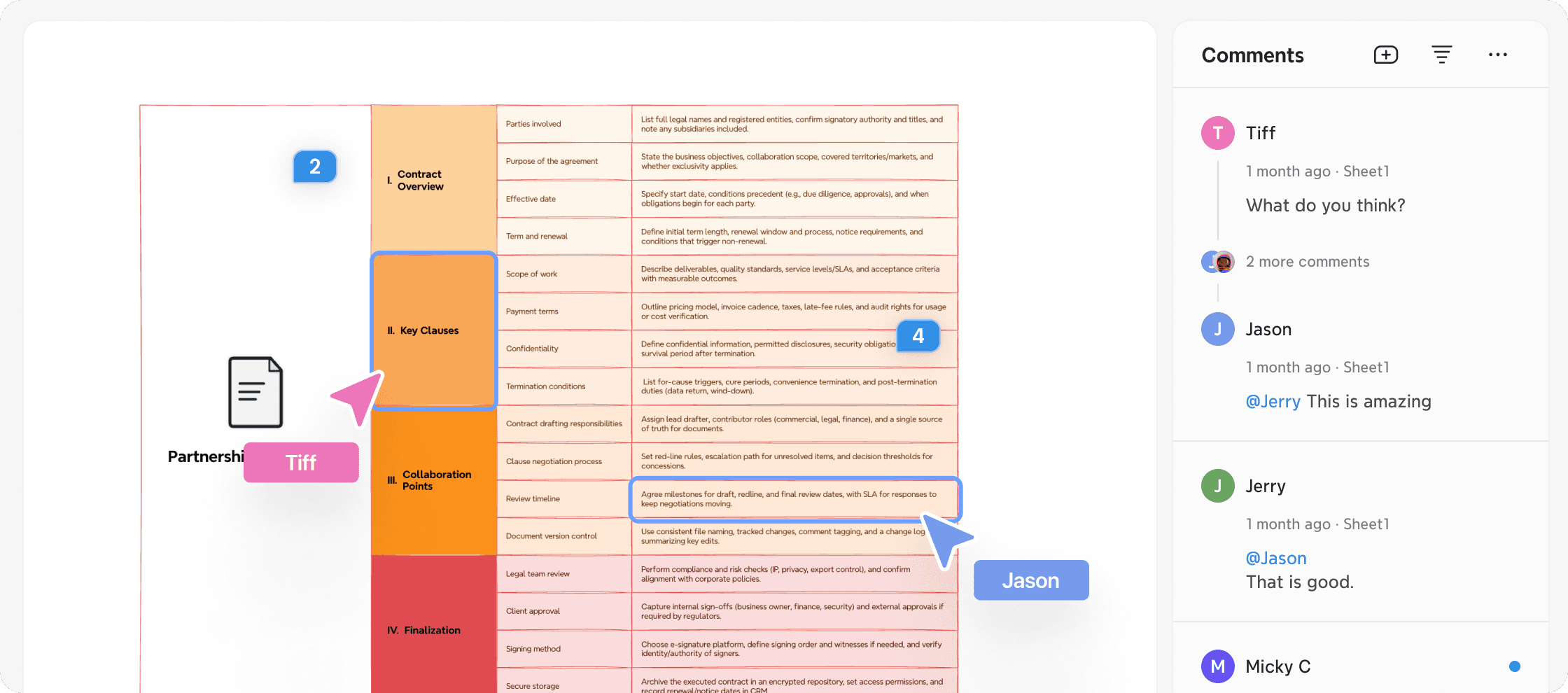
Xmind enables online collaboration—ideal for reviewing contracts or analyzing cases with clients and colleagues.
Improve legal collaboration with visual clarity
Xmind enables online collaboration—ideal for reviewing contracts or analyzing cases with clients and colleagues.

Improve legal collaboration with visual clarity
Xmind enables online collaboration—ideal for reviewing contracts or analyzing cases with clients and colleagues.


COLLABORATION
Improve legal collaboration with visual clarity
Xmind enables online collaboration—ideal for reviewing contracts or analyzing cases with clients and colleagues.
Improve legal collaboration with visual clarity
Xmind enables online collaboration—ideal for reviewing contracts or analyzing cases with clients and colleagues.

Understand complex legal arguments from existing data
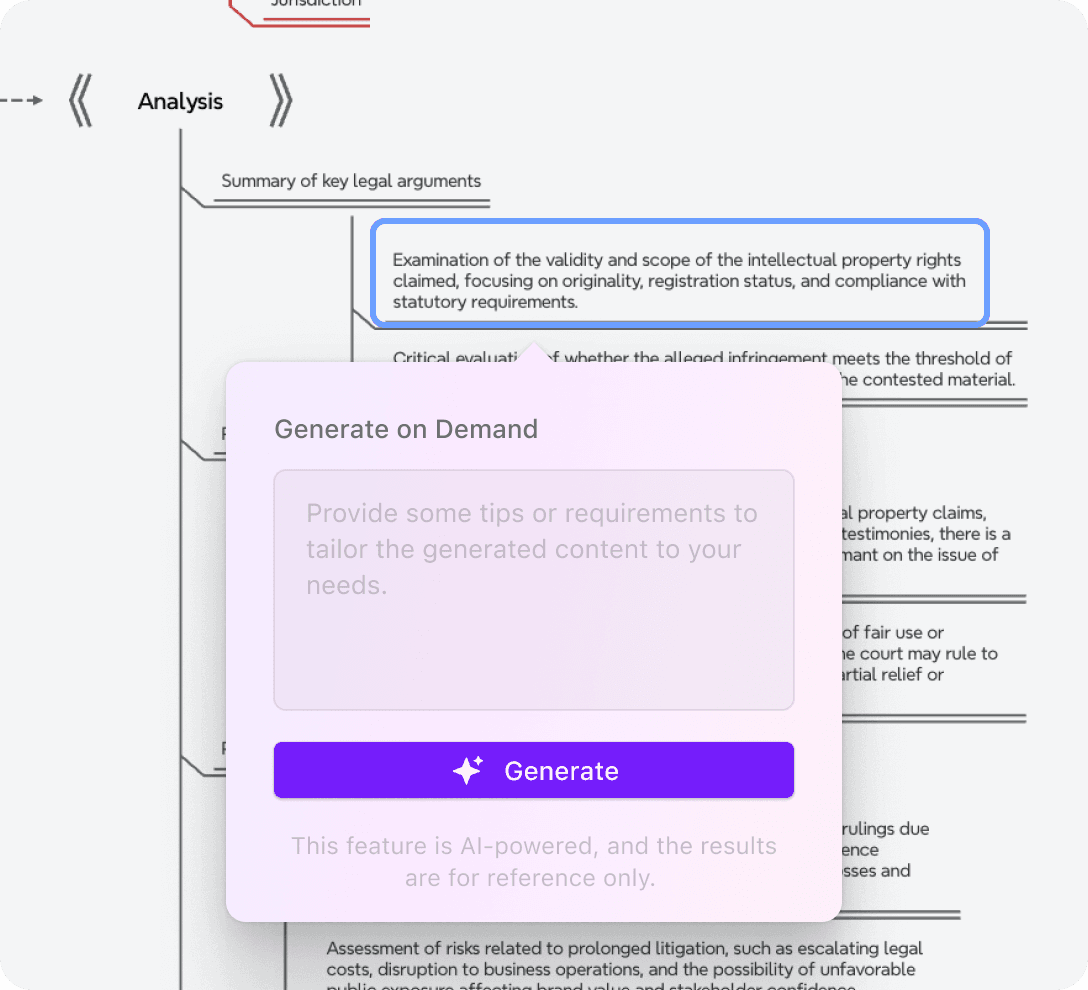
Use AI summary tools to understand and organize legal reasoning, case facts, and precedents into clear visuals for preparation or internal discussion.
ARTIFICIAL INTELLIGENCE

Understand complex legal arguments from existing data
Use AI summary tools to understand and organize legal reasoning, case facts, and precedents into clear visuals for preparation or internal discussion.

Understand complex legal arguments from existing data
Use AI summary tools to understand and organize legal reasoning, case facts, and precedents into clear visuals for preparation or internal discussion.

Understand complex legal arguments from existing data
Use AI summary tools to understand and organize legal reasoning, case facts, and precedents into clear visuals for preparation or internal discussion.
ARTIFICIAL INTELLIGENCE

Understand complex legal arguments from existing data
Use AI summary tools to understand and organize legal reasoning, case facts, and precedents into clear visuals for preparation or internal discussion.

Draft briefs and arguments with structure
Use mind maps to outline legal briefs and arguments clearly, linking facts, issues, and laws into coherent narratives.
STRUCTURE

Draft briefs and arguments with structure
Use mind maps to outline legal briefs and arguments clearly, linking facts, issues, and laws into coherent narratives.

Draft briefs and arguments with structure
Use mind maps to outline legal briefs and arguments clearly, linking facts, issues, and laws into coherent narratives.

Draft briefs and arguments with structure
Use mind maps to outline legal briefs and arguments clearly, linking facts, issues, and laws into coherent narratives.
STRUCTURE

Draft briefs and arguments with structure
Use mind maps to outline legal briefs and arguments clearly, linking facts, issues, and laws into coherent narratives.

Apply AI to generate legal outlines quickly
Use AI to generate IRAC-based analysis or structure case strategies, speeding up routine drafting tasks and brainstorming.
ARTIFICIAL INTELLIGENCE

Apply AI to generate legal outlines quickly
Use AI to generate IRAC-based analysis or structure case strategies, speeding up routine drafting tasks and brainstorming.

Apply AI to generate legal outlines quickly
Use AI to generate IRAC-based analysis or structure case strategies, speeding up routine drafting tasks and brainstorming.

Apply AI to generate legal outlines quickly
Use AI to generate IRAC-based analysis or structure case strategies, speeding up routine drafting tasks and brainstorming.
ARTIFICIAL INTELLIGENCE

Apply AI to generate legal outlines quickly
Use AI to generate IRAC-based analysis or structure case strategies, speeding up routine drafting tasks and brainstorming.

Templates to streamline your legal workflow

NDA
Use a clear structure to design and review NDAs that protect confidential business information.

NDA
Use a clear structure to design and review NDAs that protect confidential business information.

NDA
Use a clear structure to design and review NDAs that protect confidential business information.

NDA
Use a clear structure to design and review NDAs that protect confidential business information.

NDA
Use a clear structure to design and review NDAs that protect confidential business information.

Letter of intent
Clarify terms and intentions in transactions with customizable, easy-to-follow letter of intent templates.

Letter of intent
Clarify terms and intentions in transactions with customizable, easy-to-follow letter of intent templates.

Letter of intent
Clarify terms and intentions in transactions with customizable, easy-to-follow letter of intent templates.

Letter of intent
Clarify terms and intentions in transactions with customizable, easy-to-follow letter of intent templates.

Letter of intent
Clarify terms and intentions in transactions with customizable, easy-to-follow letter of intent templates.

Contract agreement
Draft service, employment, or business contracts using structured templates that cover all legal essentials.


Contract agreement
Draft service, employment, or business contracts using structured templates that cover all legal essentials.

Contract agreement
Draft service, employment, or business contracts using structured templates that cover all legal essentials.

Contract agreement
Draft service, employment, or business contracts using structured templates that cover all legal essentials.

Contract agreement
Draft service, employment, or business contracts using structured templates that cover all legal essentials.

More insights on legal workflows
Explore more solutions

Start working smarter on every legal matter
From client intake to legal drafting, Xmind empowers lawyers with tools to work more effectively every day.

Start working smarter on every legal matter
From client intake to legal drafting, Xmind empowers lawyers with tools to work more effectively every day.

Start working smarter on every legal matter
From client intake to legal drafting, Xmind empowers lawyers with tools to work more effectively every day.

Start working smarter on every legal matter
From client intake to legal drafting, Xmind empowers lawyers with tools to work more effectively every day.

Start working smarter on every legal matter
From client intake to legal drafting, Xmind empowers lawyers with tools to work more effectively every day.
Frequently asked questions
What does a lawyer do?
A lawyer advises clients on legal issues, drafts documents, conducts research, negotiates settlements, and represents clients in court. Xmind can support each step by organizing information, streamlining research, and presenting legal strategies clearly.
What is the difference between a lawyer and an attorney?
In the U.S., the terms are often used interchangeably. Technically, an attorney is a lawyer qualified to represent clients in court. Xmind helps both roles manage their caseloads more effectively with structured planning tools.
What is tort law?
Tort law involves civil wrongs, such as personal injury or negligence, where compensation is sought. Lawyers practicing tort law must organize case facts and legal precedents—tasks that Xmind can visually streamline.
How do I become a lawyer?
Becoming a lawyer typically involves earning a bachelor’s degree, completing law school, and passing the bar exam. Xmind helps aspiring lawyers plan their journey with visual timelines and study aids that organize exam prep.
What is a deposition in law?
A deposition is an out-of-court sworn testimony recorded for use in legal proceedings. Lawyers use depositions to gather facts. With Xmind, you can visually organize deposition summaries, highlight key facts, and plan follow-up actions.
Frequently asked questions
What does a lawyer do?
A lawyer advises clients on legal issues, drafts documents, conducts research, negotiates settlements, and represents clients in court. Xmind can support each step by organizing information, streamlining research, and presenting legal strategies clearly.
What is the difference between a lawyer and an attorney?
In the U.S., the terms are often used interchangeably. Technically, an attorney is a lawyer qualified to represent clients in court. Xmind helps both roles manage their caseloads more effectively with structured planning tools.
What is tort law?
Tort law involves civil wrongs, such as personal injury or negligence, where compensation is sought. Lawyers practicing tort law must organize case facts and legal precedents—tasks that Xmind can visually streamline.
How do I become a lawyer?
Becoming a lawyer typically involves earning a bachelor’s degree, completing law school, and passing the bar exam. Xmind helps aspiring lawyers plan their journey with visual timelines and study aids that organize exam prep.
What is a deposition in law?
A deposition is an out-of-court sworn testimony recorded for use in legal proceedings. Lawyers use depositions to gather facts. With Xmind, you can visually organize deposition summaries, highlight key facts, and plan follow-up actions.
Frequently asked questions
What does a lawyer do?
A lawyer advises clients on legal issues, drafts documents, conducts research, negotiates settlements, and represents clients in court. Xmind can support each step by organizing information, streamlining research, and presenting legal strategies clearly.
What is the difference between a lawyer and an attorney?
In the U.S., the terms are often used interchangeably. Technically, an attorney is a lawyer qualified to represent clients in court. Xmind helps both roles manage their caseloads more effectively with structured planning tools.
What is tort law?
Tort law involves civil wrongs, such as personal injury or negligence, where compensation is sought. Lawyers practicing tort law must organize case facts and legal precedents—tasks that Xmind can visually streamline.
How do I become a lawyer?
Becoming a lawyer typically involves earning a bachelor’s degree, completing law school, and passing the bar exam. Xmind helps aspiring lawyers plan their journey with visual timelines and study aids that organize exam prep.
What is a deposition in law?
A deposition is an out-of-court sworn testimony recorded for use in legal proceedings. Lawyers use depositions to gather facts. With Xmind, you can visually organize deposition summaries, highlight key facts, and plan follow-up actions.
Frequently asked questions
What does a lawyer do?
A lawyer advises clients on legal issues, drafts documents, conducts research, negotiates settlements, and represents clients in court. Xmind can support each step by organizing information, streamlining research, and presenting legal strategies clearly.
What is the difference between a lawyer and an attorney?
In the U.S., the terms are often used interchangeably. Technically, an attorney is a lawyer qualified to represent clients in court. Xmind helps both roles manage their caseloads more effectively with structured planning tools.
What is tort law?
Tort law involves civil wrongs, such as personal injury or negligence, where compensation is sought. Lawyers practicing tort law must organize case facts and legal precedents—tasks that Xmind can visually streamline.
How do I become a lawyer?
Becoming a lawyer typically involves earning a bachelor’s degree, completing law school, and passing the bar exam. Xmind helps aspiring lawyers plan their journey with visual timelines and study aids that organize exam prep.
What is a deposition in law?
A deposition is an out-of-court sworn testimony recorded for use in legal proceedings. Lawyers use depositions to gather facts. With Xmind, you can visually organize deposition summaries, highlight key facts, and plan follow-up actions.