The Xmind Template Marketplace is here: find your mind map template for any situation

Hannah

Starting from scratch takes more energy than most people realize. Before the thinking even starts, you're already deciding on structure, layout, and hierarchy—and that setup cost adds up. The Xmind Template Marketplace removes it. It's a searchable library of thousands of free mind map templates organized into 5 categories—Work, Study, Life, Explore, and AI—so you open a map that's already shaped for what you need, and get straight to the actual thinking. Explore the full collection at Xmind Template Marketplace, and if you have templates worth sharing, the marketplace is open for creator submissions too.
Why starting with a template beats starting from scratch
The blank canvas problem isn't about creativity—it's about cognitive load. Before you can think about the actual content, you're already making decisions about structure: how many levels, which layout, where to put the central idea. That setup work is invisible but real, and it slows you down every time.
A template removes those decisions. You open a map that already has the right shape for what you're doing—a product roadmap laid out as a logic chart, a literature review organized by theme, a weekly planner with time blocks already in place. The structure is done; the thinking can start immediately.
Templates also encode best practices. A well-designed Cornell notes template isn't just a layout—it reflects how that method actually works. A SWOT analysis template puts the four quadrants in the right relationship. You're not just saving setup time; you're starting with a proven framework rather than inventing one from scratch.
What the Xmind Template Marketplace is
A community-built library for every kind of thinking
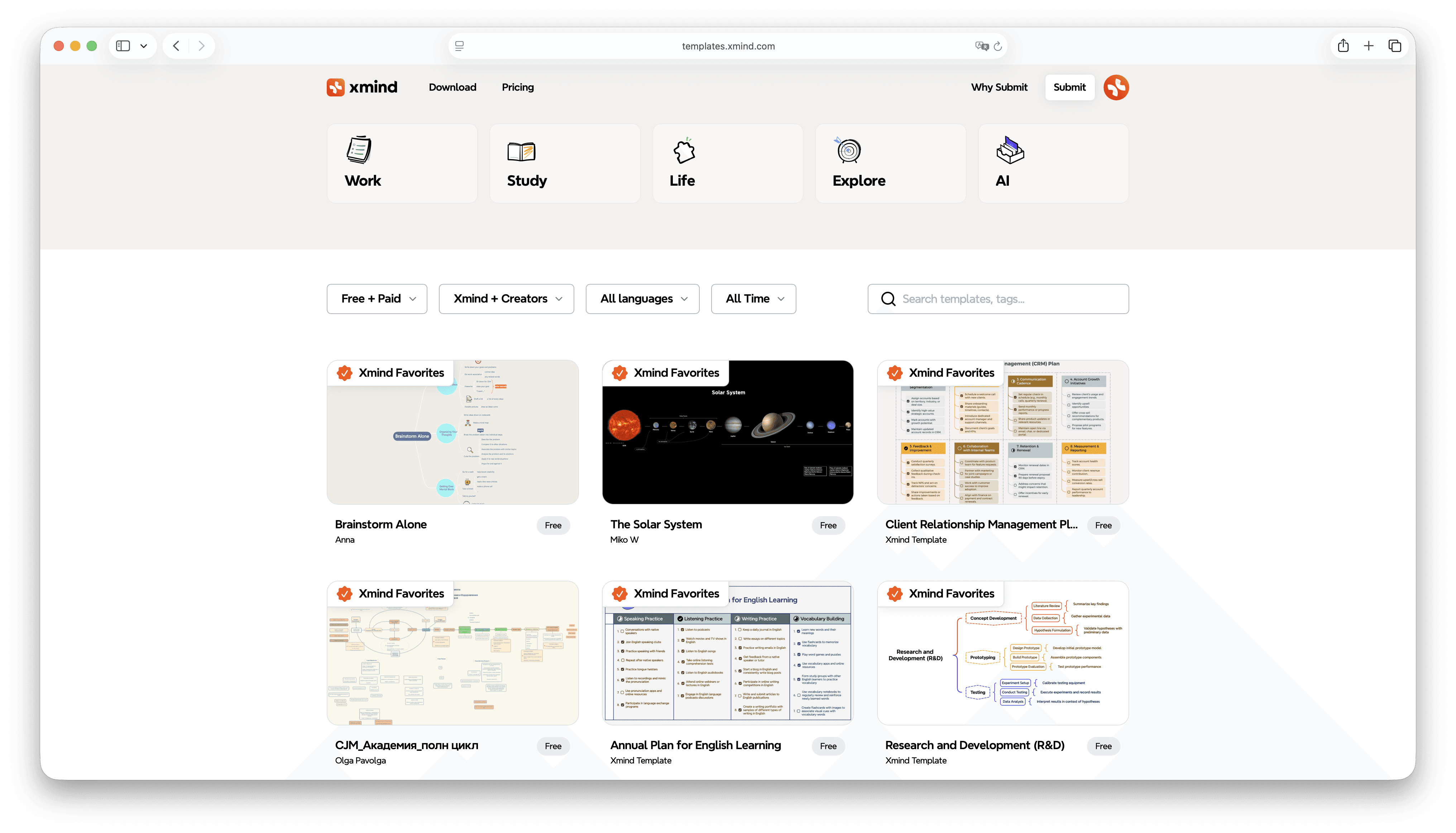
The marketplace is a searchable library where Xmind and independent creators publish templates across hundreds of use cases. Every template opens directly in Xmind—ready to customize, expand, and share. You can filter by category, subcategory, language, and price (most templates are free), so finding the right starting point takes seconds, not minutes.
Five categories cover the full range of how people actually use mind maps:
Work—roadmaps, OKRs, product launch plans, campaign plans, onboarding, and more
Study—class notes, Cornell notes, literature reviews, thesis outlines, and subject-specific formats
Life—weekly planners, self-improvement plans, travel itineraries, meal plans, and personal finance
Explore—alternative visual formats like flowcharts, matrices, RACI charts, and bubble mind maps
AI—cheat sheets, workflow maps, and tools comparisons for AI practitioners
Become a Founding Creator
The marketplace launches with a creator program open to anyone. Submit your ready-to-use, well-structured templates before July 15 and earn the opportunity for a permanent Founding Creator badge, priority review, and homepage featuring—with a chance at a Premium annual membership for standout submissions. There's no cap on spots; if your templates meet the quality bar, you're in.
👉 Learn more about the Founding Creator Program.
A starting point for every kind of thinking
Work: the structure already exists—just add your content
The most time-consuming part of professional planning isn't the thinking; it's building the container for it. Project kick-offs, campaign briefs, onboarding flows—these follow patterns you repeat constantly, yet most people build them from scratch every time. Xmind's Work templates cover roadmaps, OKR tracking, SOPs, and more, so you're filling in content from the first minute instead of deciding where to put things.
Study: notes that show how ideas connect, not just what they say
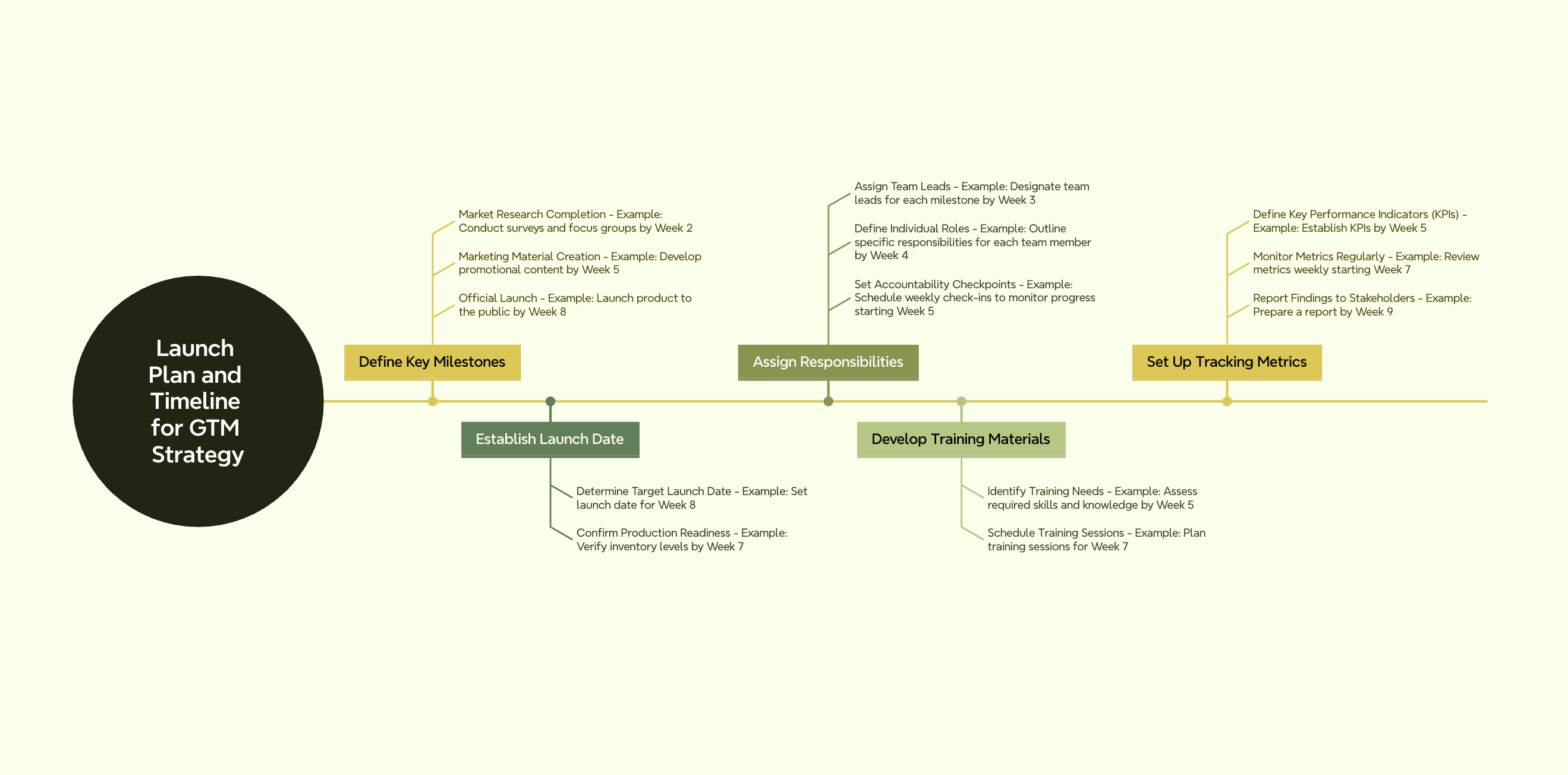
A list of facts is easy to write and hard to remember. Mind maps show relationships—which ideas support each other, where the gaps are, how a concept fits into a larger framework. If you're preparing for exams, working through a research paper, or trying to actually retain what you read, Study templates like Cornell notes, literature review maps, and thesis outlines give your notes a shape that makes them useful later.
Life: for everything that doesn't fit in a work calendar
A trip itinerary in a spreadsheet works until something changes—then you're reorganizing everything. As a mind map, the same plan lets you see destinations, logistics, and priorities at a glance, and adjust in one place when plans shift. The same logic applies to weekly planning, personal goals, meal prep, and finances. Life templates are the ones most people don't know they need until they try one.
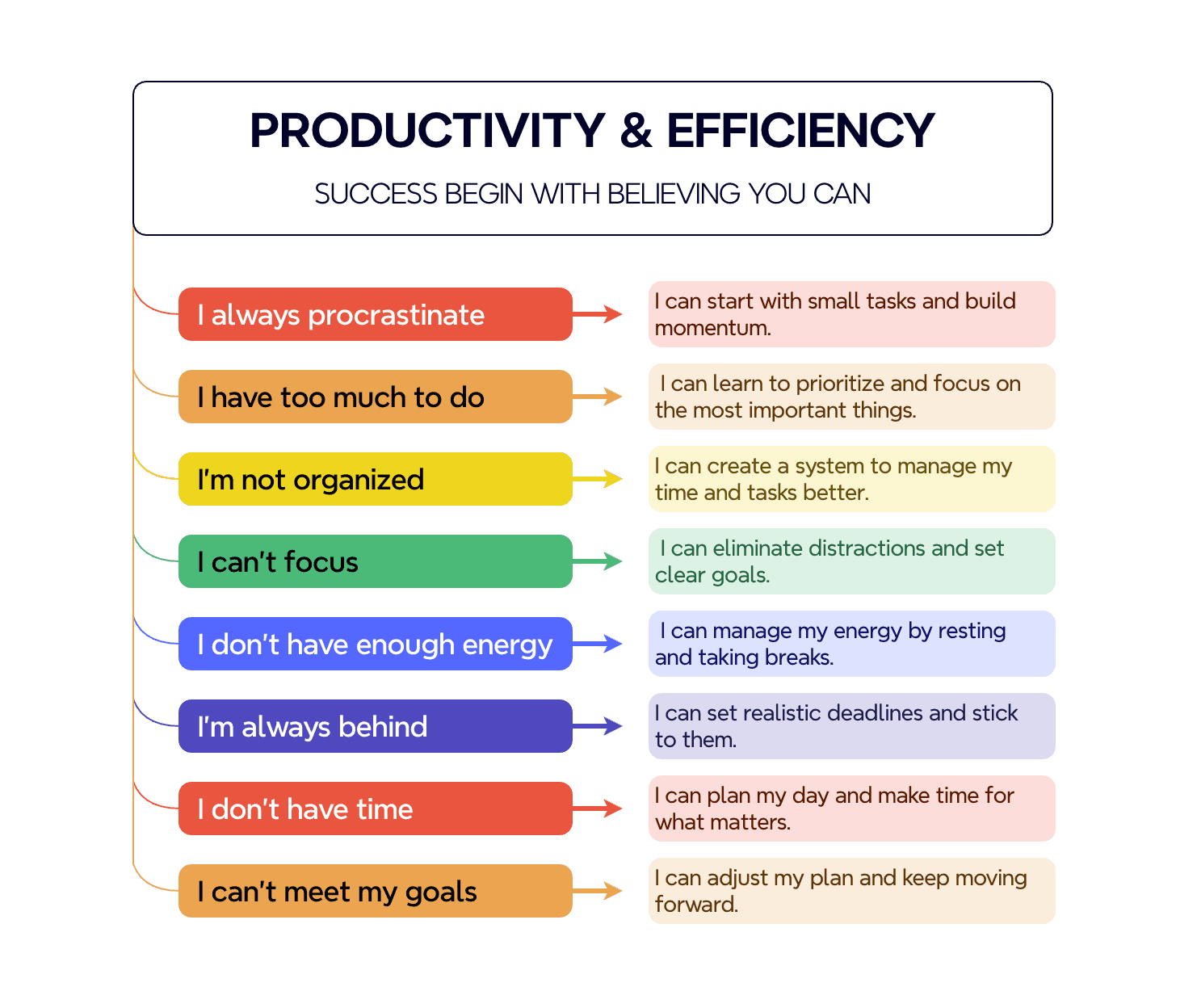
Explore: when the standard format isn't the right tool
Not every thinking task fits a hierarchy. Sometimes you need to map loose associations before any structure exists—that's what a bubble mind map is for. Sometimes you need a matrix for comparison, a flowchart for a process, or a RACI chart to clarify who owns what. Explore templates are for those situations where picking the right visual format is half the work.
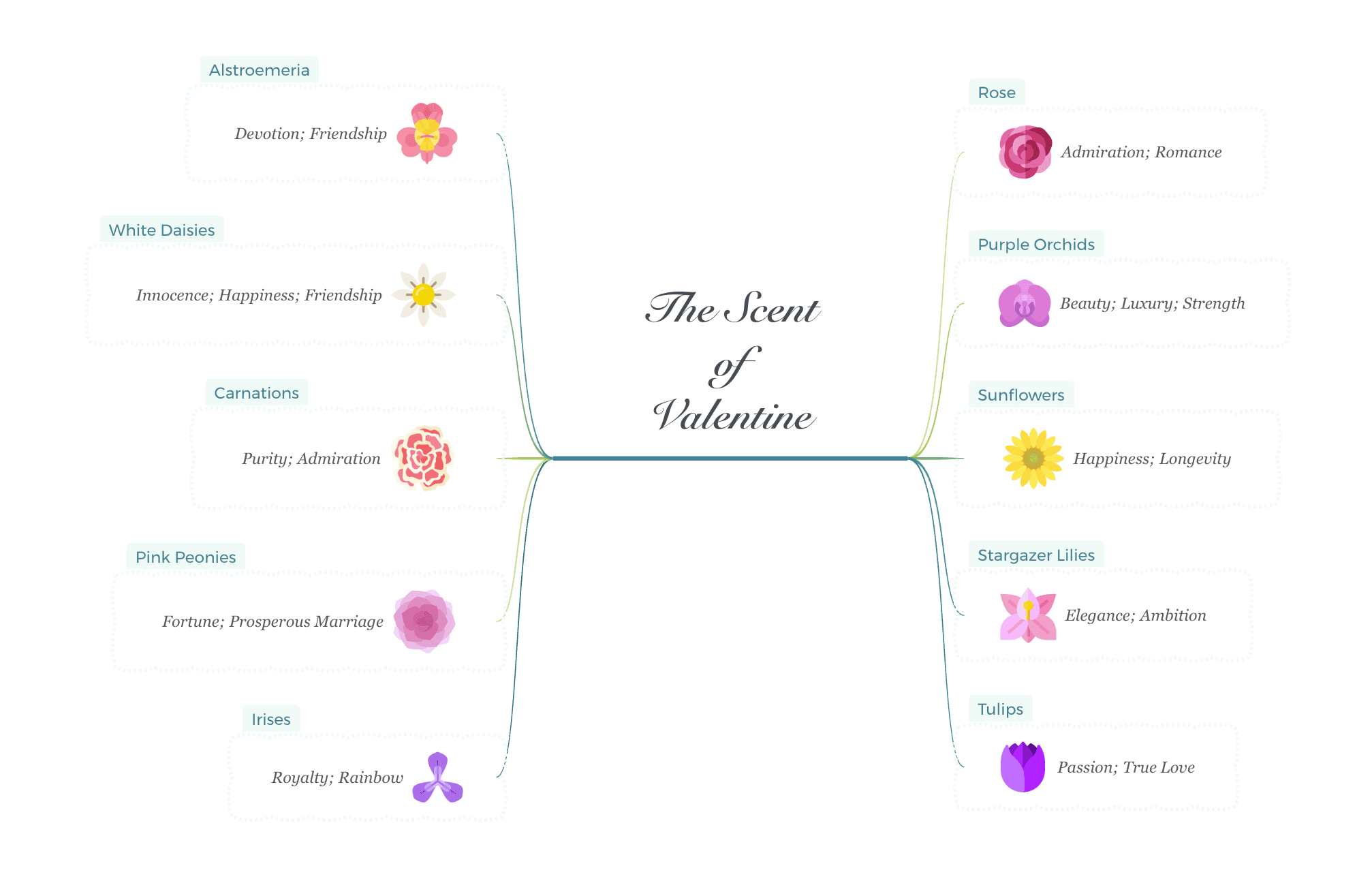
AI: ready-made frameworks for work that moves fast
AI workflows generate a lot of information quickly, and organizing it from scratch every time is its own bottleneck. Whether you're building automations, evaluating tools, or just trying to keep your prompts and workflows documented, AI templates give you a starting structure for work that didn't have established formats a few years ago.
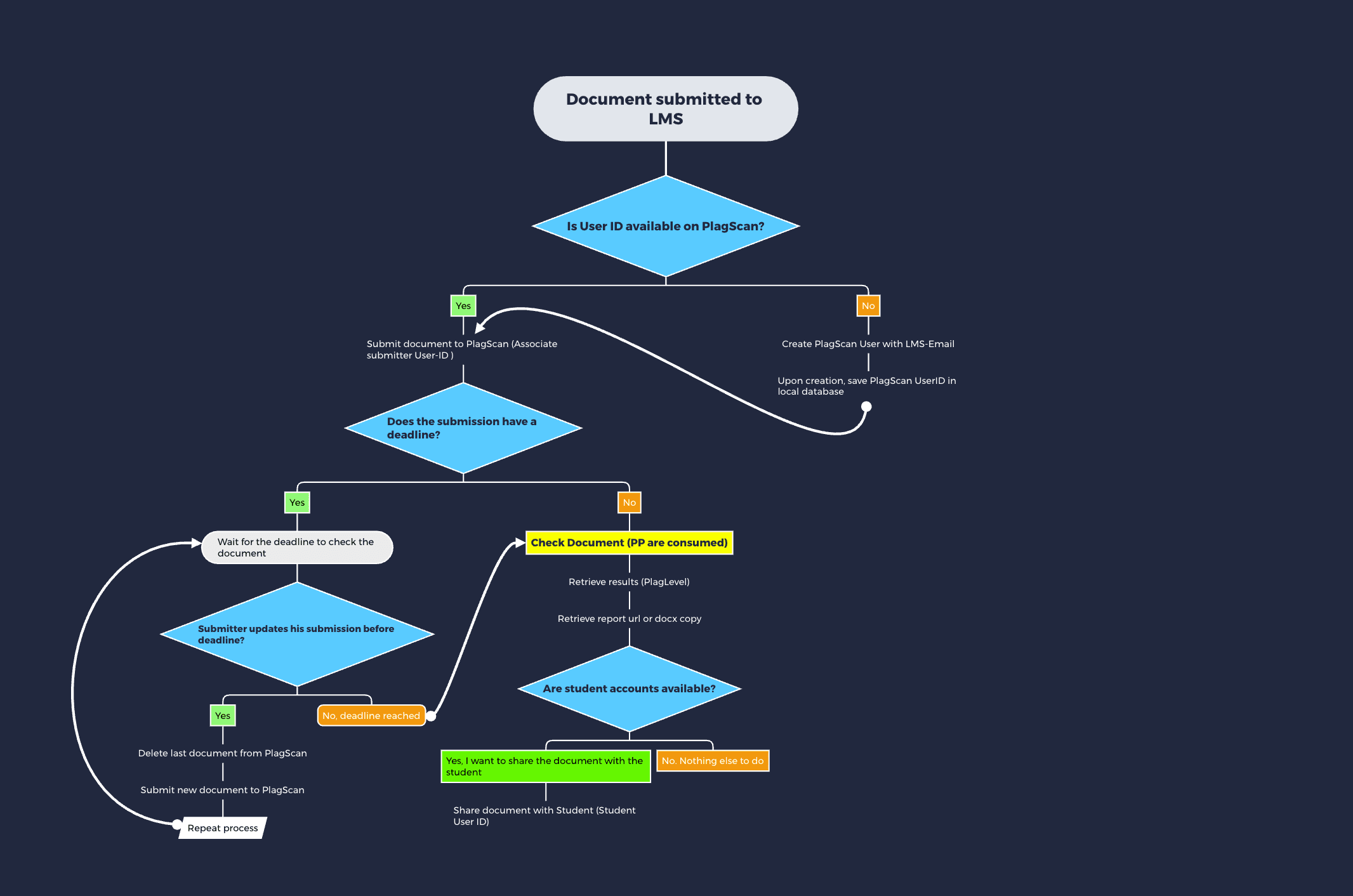
How to find the right template for you
The marketplace is searchable and filterable, so you don't have to browse every category to find what you need. A few ways to narrow it down quickly:
Search by use case. If you know what you're making—a thesis outline, a campaign plan, a travel itinerary—search directly for it. The search covers template titles and tags, so specific terms work better than broad ones.
Filter by category. Each of the five categories has its own subcategories. Work alone has 32 use cases, so if you know you need something for a product launch or an onboarding plan, going straight to the subcategory saves time.
Filter by price. Most templates are free. If you want to see only free options, the price filter surfaces them immediately—no need to check each template individually.
Browse by language. The marketplace includes templates in multiple languages. If you work in a language other than English, the language filter finds templates that are ready to use without translation.
If none of the existing templates fit exactly, the marketplace also accepts community submissions—so if you've built a structure that works well for your workflow, you can share it with the broader Xmind community.
Conclusion
The Xmind Template Marketplace gives you a faster way into any thinking task—whether you're planning a project, studying for an exam, organizing a trip, or mapping an AI workflow. Free mind map templates organized by how people actually work and think. And if you've built structures that work well for you, the marketplace is open for submissions—the Founding Creator Program runs until July 15, with a permanent badge, homepage featuring, and Premium membership up for grabs. Find your next template—or share your own—at Xmind Template Marketplace.
Thousands of free mind map templates, ready to open.
Browse the Xmind Template Marketplace and find the right starting point for work, study, life, and beyond.